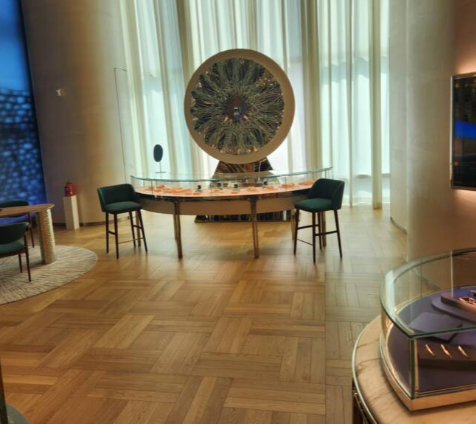
To maintain parquet flooring, sweep or vacuum daily to remove grit, wipe spills immediately, and use a damp never wet mop weekly. Apply a wood-safe polish every three to six months to restore sheen. Avoid harsh chemicals and direct sunlight exposure. With consistent care, parquet floors can last decades without losing their character or finish.
Parquet flooring brings warmth and timeless elegance to any home. But without the right care routine, even the finest wood floor can dull, warp, or scratch over time. The good news? Maintaining parquet is straightforward once you understand what the floor needs and what to avoid.
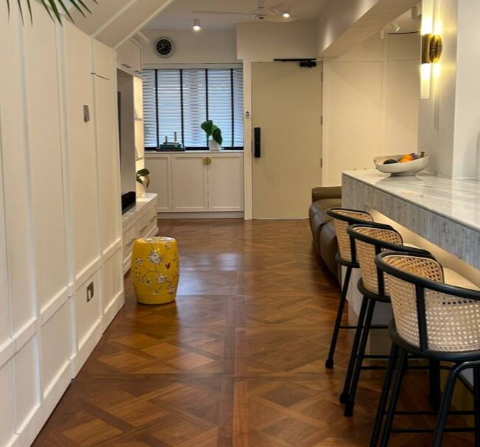
Why Parquet Floors Need Consistent Care
Parquet is made from small wood blocks arranged in geometric patterns. Each piece is a natural material that responds to humidity, foot traffic, and surface treatment. Singapore’s humid climate makes this especially relevant moisture fluctuations can cause the wood to expand, contract, or lift at the edges if not managed properly.
Neglected parquet tends to show wear unevenly. High-traffic areas lose their finish first, while corners stay glossy. This inconsistency is hard to reverse without a full resanding job which is both costly and disruptive.
Daily and Weekly Parquet Floor Maintenance Habits
Good maintenance starts with simple, consistent habits. Most floor damage happens gradually and most of it is preventable.
Daily Cleaning
Sweep or dry-vacuum every day in high-traffic zones. Fine dust and grit act like sandpaper underfoot, scratching the finish with every step. Use a soft-bristle broom or a vacuum with a hardwood floor attachment avoid beater bars, which can gouge the surface.
Weekly Mopping
Use a microfibre mop lightly dampened with water or a pH-neutral wood floor cleaner. Wring it out thoroughly parquet and standing water do not mix. Excess moisture seeps into the seams between wood blocks and causes swelling or discolouration over time.
- Never use steam mops on parquet
- Avoid vinegar or ammonia-based cleaners they strip the finish
- Dry the floor immediately after mopping if any water remains
Dealing with Spills
Act fast. Blot don’t wipe spills with a dry cloth the moment they happen. Wiping spreads the liquid and pushes it into joints. For sticky residue, use a barely damp cloth followed immediately by a dry one.
How to Polish Parquet Flooring the Right Way
Parquet polishing is what brings that rich, even glow back to a tired-looking floor. Done correctly, it also adds a protective layer that slows future wear.
How Often Should You Polish?
For most homes in Singapore, polishing every three to six months is sufficient. High-traffic areas hallways, living rooms may need it more frequently. If the floor looks dull even after cleaning, that is a clear sign it is time to polish.
Step-by-Step Polishing Process
- Clean thoroughly first. Polish applied over dust or residue traps dirt under the coat. Sweep and mop before you start.
- Choose the right product. Use a polish specifically formulated for hardwood or parquet floors. Avoid all-purpose floor polishes they can leave a waxy build-up that attracts more dirt.
- Apply in thin, even coats. Work in the direction of the wood grain using a clean applicator pad or microfibre cloth. Thin coats dry evenly; thick ones streak.
- Allow full drying time. Most polishes take 30 to 60 minutes to dry. Keep foot traffic off the floor until it has fully cured.
- Buff lightly if needed. A soft buffing pad brings up the shine and evens out any application marks.
Protecting Parquet from Everyday Damage
Cleaning and polishing extend the floor’s life, but prevention reduces the workload significantly.
Use the Right Furniture Pads
Heavy furniture is one of the leading causes of deep scratches in parquet. Fit felt pads to the legs of chairs, tables, and sofas. Replace them every six months worn pads collect grit and become abrasive themselves.
Control Indoor Humidity
In Singapore’s tropical climate, indoor humidity is a real concern for wood floors. Aim to keep indoor relative humidity between 50% and 65%. Use an air conditioner or dehumidifier consistently, especially during the monsoon months when moisture levels spike.
Add Rugs in High-Traffic Areas
A good-quality rug at the entrance and in front of the sofa takes the brunt of daily foot traffic. Choose rugs with a non-slip, breathable backing rubber-backed rugs can trap moisture and stain the wood underneath.
No Shoes Indoors
This is standard practice in most Singapore homes and for good reason. Outdoor footwear tracks in grit, moisture, and chemical residues that accelerate floor wear. A shoe rack at the entrance keeps the damage outside where it belongs.
When to Call a Professional
Some issues go beyond what regular maintenance can fix. Look for these signs that your floor needs professional attention:
- Deep scratches or gouges that catch a fingernail
- Lifted or loose blocks a sign of moisture damage or adhesive failure
- Uneven sheen that polishing does not resolve
- Persistent discolouration in specific areas
Professional resanding and refinishing can restore most parquet floors to near-original condition. It is a more involved process, but far less expensive than replacing the floor entirely.
Quick Reference: Parquet Maintenance Dos and Don’ts
| Do | Don’t
|
|---|---|
| Sweep or vacuum daily | Use a wet mop or steam cleaner |
| Use pH-neutral wood cleaners | Apply vinegar, bleach, or ammonia |
| Polish every 3–6 months | Use all-purpose or wax-heavy polishes |
| Fit felt pads under furniture | Drag furniture across the floor |
| Manage indoor humidity | Leave spills to dry on their own |
A well-maintained parquet floor is one of the most rewarding features in a home it only improves with age when looked after properly. For homeowners exploring quality flooring options in Singapore, World Of Wood Floors offers a curated range of parquet flooring solutions designed to suit both modern and traditional interiors.
Frequently Asked Questions
How often should parquet flooring be polished?
Parquet floors should be polished every three to six months for regular household use. High-traffic areas may need more frequent polishing. If the floor appears dull after cleaning, that is a reliable indicator that a polish application is overdue.
Can I use a steam mop on parquet flooring?
No. Steam mops force heat and moisture directly into the wood, which causes swelling, warping, and adhesive failure over time. Use a lightly dampened microfibre mop with a pH-neutral cleaner instead, and dry the floor immediately after.
What causes parquet blocks to lift or become loose?
Lifted blocks are usually caused by excess moisture or humidity penetrating the wood and weakening the adhesive bond. This is especially common in Singapore’s climate. Maintaining consistent indoor humidity levels and avoiding wet mopping significantly reduces this risk.
How do I remove deep scratches from parquet floors?
Light surface scratches can be minimised with a wood floor touch-up marker or polish. Deep scratches that cut through the finish require professional sanding and refinishing to restore the surface evenly without patchy results.
Is it necessary to remove shoes before walking on parquet flooring?
Yes. Outdoor footwear carries grit, sand, and chemicals that scratch and dull the floor finish quickly. Removing shoes at the entrance is one of the most effective ways to extend the life of a parquet floor.
How long does parquet flooring last with proper maintenance?
With consistent care, quality parquet flooring can last 25 to 50 years or more. The wood can be sanded and refinished multiple times over its lifespan, making it a long-term investment that holds both aesthetic and functional value.