

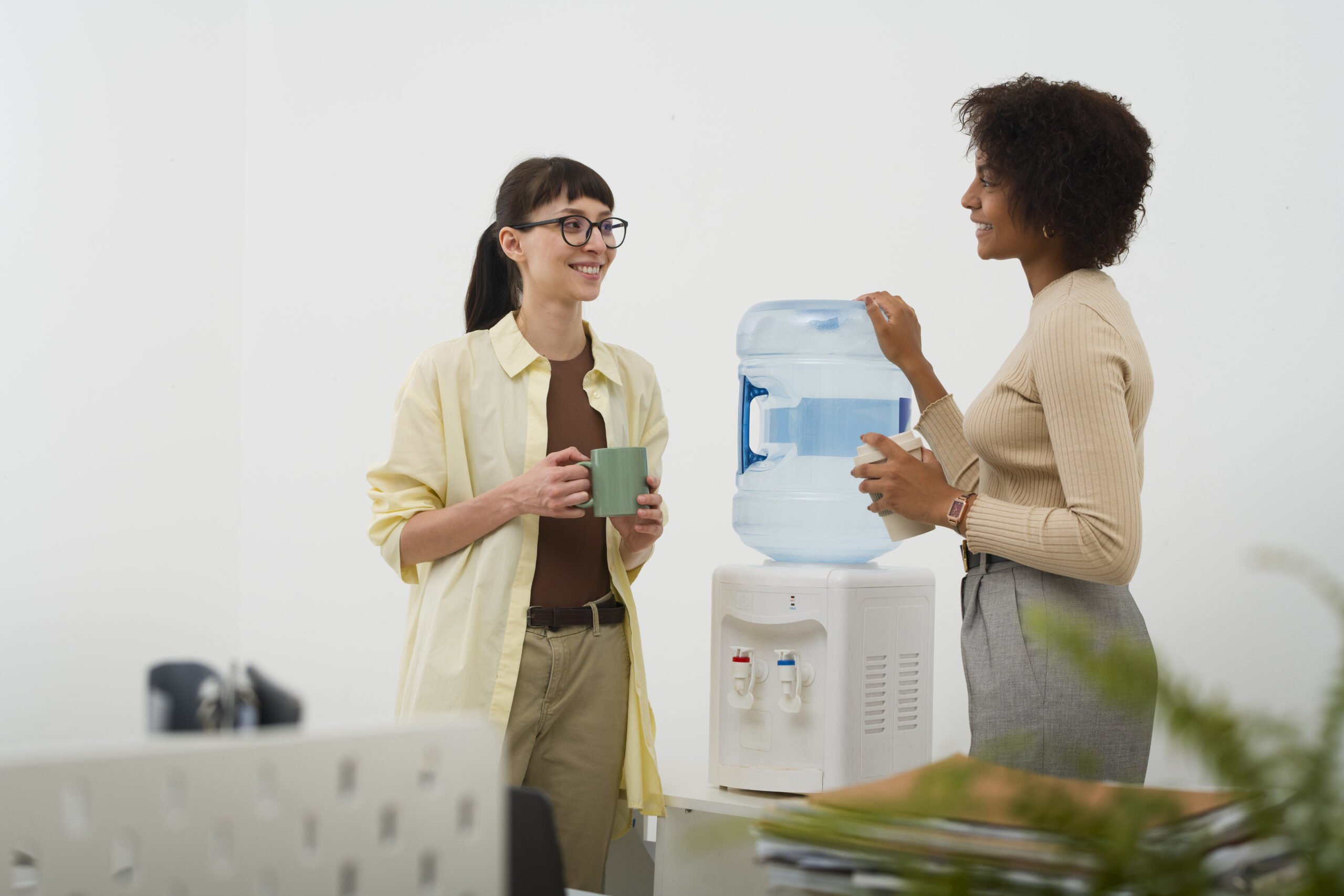
A filtered water dispenser eliminates impurities from tap water and provides clean, temperature-controlled drinking water when you need it. If you’re looking for a practical way to hydrate your home, you won’t have to buy bottled water or boil your own. Families are more likely to drink throughout the day when they have immediate access to hot, cold, or room-temperature water, which promotes healthier hydration practices in the home.
If you have ever opted for a sweet drink because the water was not clean and available, you are not the only one. Convenience is one of the primary reasons why we eat what we do. A filtered water dispenser eliminates that precise obstacle – it makes pure, wonderful tasting water the easiest choice in your home, every single time.
Why Convenience Matters More Than You Think
Hydration habits are largely shaped by friction. The harder it is to access water, the less likely people are to drink enough of it. Research from the Health Promotion Board in Singapore has consistently highlighted that adequate daily water intake — around eight glasses per day — is essential for maintaining energy levels, concentration, and overall health.
When drinking water requires boiling, waiting to cool, or fetching a bottle from the fridge, those small steps add up. Over a day, they can significantly reduce how much water a household actually drinks. A home water dispenser removes those steps entirely.
What Does a Filtered Water Dispenser Actually Do?
At its core, a filtered water dispenser combines a multi-stage filtration system with a dispensing unit that delivers water at your chosen temperature. Most modern units available in Singapore offer:
- Instant hot water (typically around 90–98°C) for tea, coffee, or cooking
- Cold or chilled water for refreshing hydration
- Ambient or room-temperature water for those who prefer it
- Multi-stage filtration that removes chlorine, heavy metals, sediment, and volatile organic compounds
Singapore’s tap water is treated and tested to meet WHO drinking water guidelines, according to PUB, Singapore’s National Water Agency. However, ageing pipes in older HDB flats and private properties can reintroduce sediment and trace contaminants before water reaches your tap. Filtration addresses that final-mile problem directly.
How Filtration Improves the Taste and Quality of Singapore Tap Water
Chlorine and Taste
PUB uses chlorination as part of its disinfection process — a safe and effective method. But residual chlorine can affect the taste and smell of tap water, which is one reason many Singaporeans hesitate to drink it straight from the tap. A quality carbon filter in a home water dispenser significantly reduces that chlorine taste, making water noticeably more pleasant to drink.
Sediment and Pipe Qualiy
Older buildings in Singapore — particularly those built before the 1990s — may still have aging internal pipes. Sediment filters in a dispenser catch fine particles before they reach your glass. This is particularly relevant for families with young children or elderly members who are more sensitive to water quality.
Heavy Metal Reduction
Advanced filtration systems using activated carbon and ultrafiltration membranes can reduce trace levels of lead and other heavy metals. While PUB maintains strict water quality standards, having an added layer of filtration provides genuine peace of mind for health-conscious homeowners.
The Real-Life Convenience Advantages for Singapore Families
Beyond the science, the day-to-day benefits of a filtered water dispenser Singapore households rely on are deeply practical. Consider a typical morning in a Singapore home:
- You need hot water for your morning coffee — instantly available, no kettle required
- The kids want cold water before school — no need to check if the fridge bottle is refilled
- You want to prepare instant oatmeal — hot water is dispensed directly into the bowl
- Late at night, someone wants a glass of water — clean, cool water is one press away
These moments might seem small. But multiplied across a family of four, every single day, a dispenser genuinely changes how often and how readily people choose water over other beverages.
Filtered Dispenser vs. Bottled Water vs. Boiling: A Practical Comparison
| Option | Convenience | Cost Over Time | Environmental Impact | Water Quality |
|---|---|---|---|---|
| Bottled Water | Moderate | High | High plastic waste | Variable |
| Boiling Tap Water | Low | Low | Energy use | Removes bacteria, not chemicals |
| Filtered Water Dispenser | Very High | Low-Medium | Minimal waste | Consistent and high |
The comparison makes a clear case. Bottled water is expensive and creates significant plastic waste — a growing environmental concern in Singapore, where waste reduction is a national priority. Boiling water is effective against bacteria but does not address chemical contaminants or the taste issue. A dispenser wins on nearly every dimension that matters to a modern Singapore household.
Choosing the Right Water Dispenser in Singapore
Not all units are equal. When evaluating a water dispenser Singapore homes should look for the following features:
- Filtration stages: A minimum of three stages (sediment, carbon, ultrafiltration) is recommended for Singapore conditions
- Certifications: Look for units with NSF or WQA certifications, which validate filtration performance claims
- Tank vs. tankless design: Tankless systems heat and cool water on demand, reducing the risk of bacterial growth inside storage tanks
- Child safety lock: Essential for households with young children, particularly for the hot water function
- Filter replacement schedule: Check how often filters need changing and factor this into your running cost estimate
- Footprint and design: Singapore homes are compact — countertop and slim-floor-standing models are popular choices
Does a Filtered Dispenser Actually Encourage More Hydration?
Yes — and the mechanism is straightforward. Behavioural health research consistently shows that when healthy choices are made easier, people make them more often. A dispenser sitting on your kitchen counter, ready to deliver clean water in under three seconds, removes every practical excuse not to drink water.
Many families who switch from bottled water or boiling report that they notice the difference within weeks. Children in particular drink more water when they can help themselves independently. Elderly family members who previously found boiling and cooling water cumbersome find a dispenser dramatically easier to use. These are not abstract benefits — they are everyday quality-of-life improvements.
Installation and Maintenance: What to Expect
Most modern filtered water dispensers in Singapore are either point-of-use (connected directly to your water supply) or freestanding (using large refillable bottles). Point-of-use models are increasingly preferred for HDB flats and condominiums because they eliminate the need to manage heavy water bottles.
Installation for a point-of-use unit typically takes under an hour and does not require major plumbing work. Filter replacement is the primary ongoing maintenance task — usually every six to twelve months depending on usage and the specific model.
Making Clean Water the Default Choice at Home
The best hydration strategy is the one you actually follow. For most Singapore families, that means reducing the effort involved in accessing clean, good-tasting water. When water is instantly available, always filtered, and pleasant to drink, it naturally becomes the default beverage in the home rather than an afterthought.
Amglow offers a range of filtered water dispensers designed specifically for Singapore households — combining advanced multi-stage filtration with practical, space-conscious designs suited to HDB flats, condominiums, and landed homes. If improving your family’s daily hydration is a priority, a quality dispenser is one of the most impactful upgrades you can make to your home.
Frequently Asked Questions
Is Singapore tap water safe to drink without a filter?
Yes, the tap water in Singapore is safe for drinking . It also complies with WHO requirements. Filtration can be good for health-conscious households, though, since it can enhance taste by removing leftover chlorine and add protection from silt from older building pipes.
How often do I need to replace the filter in a home water dispenser?
Most filters need to be replaced every six to twelve months, depending on your household’s water usage and the exact model. Replacing regularly ensures the filter function is consistent and that there is no deterioration in water quality or flow rate over time.
What is the difference between a point-of-use and freestanding water dispenser?
A point-of-use dispenser draws from your water supply so you don’t have to carry large refill bottles. It is a single unit that uses huge, interchangeable bottles. Most inhabitants in Singapore HDB and condominiums will find point-of-use solutions more convenient and with reduced long-term operating expenses.
Can a filtered water dispenser reduce my household’s plastic bottle usage?
“Sure. When families make the switch to a home water dispenser, they can generally get rid of their dependence on single-use plastic water bottles. This will reduce domestic waste and the recurring cost of buying bottled water, making it a more sustainable and inexpensive solution for Singapore households.
Are filtered water dispensers suitable for HDB flats in Singapore?
Yes. Many types are small-sized and suitable for HDB kitchens and living rooms. They are available as countertop or slender floor standing units. Most HDB and condo residences can easily install point of use models as they hook directly into existing plumbing without the need for major alteration.
What filtration certifications should I look for when buying a water dispenser in Singapore?
Look for NSF International or Water Quality Association (WQA) certifications which independently certify that the filtration technology in a dispenser does what it says it does. These certifications are solid indicators of product quality and give homeowners the confidence that their water is being filtered adequately and safely.