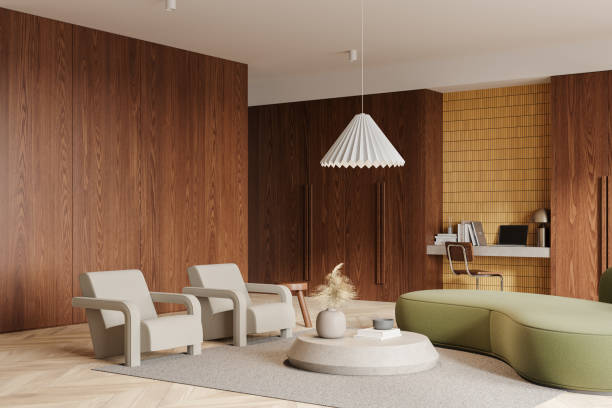
When choosing between fluted wood panels and wallpaper for a feature wall, fluted panels offer greater durability, a three-dimensional texture, and long-term value — especially in Singapore’s humid climate. Wallpaper is more affordable upfront and offers vast design variety, but tends to peel, bubble, or fade over time. For homeowners prioritising longevity and visual impact, fluted panels are the stronger investment.
Fluted wood panels have quietly become one of the most sought-after interior finishes in Singapore HDB and condo homes. But many homeowners still find themselves torn between the textured depth of fluted panels and the convenience of wallpaper. Both can transform a plain wall into a statement — the difference lies in how long that statement lasts, how much upkeep it demands, and how well it holds up in a tropical environment.
What Are Fluted Wood Panels?
Fluted wood panels feature a series of vertical grooves or ridges that create depth and shadow on a flat wall surface. They are typically made from engineered wood, MDF, or solid timber, and can be finished with veneers, paint, or laminates. Unlike wallpaper, they are a structural surface treatment — not just a printed layer applied on top.
In Singapore, fluted panels are commonly used as feature wall designs in living rooms, bedrooms, TV consoles, and entryways. Their clean, linear aesthetic pairs well with both modern minimalist and Japandi-style interiors.
What Is Wallpaper?
Wallpaper in Singapore typically refers to either vinyl-coated rolls or non-woven fabric sheets printed with patterns, textures, or photographic imagery. It is applied directly to the wall using adhesive and can be removed or replaced with relative ease. Prices vary widely — from budget PVC options to high-end textured finishes that mimic materials like concrete, fabric, or wood grain.
The appeal of wallpaper lies in its versatility. There are thousands of designs available, and installation is faster and less disruptive than fitting wall panels.
Fluted Wood Panels vs Wallpaper: Side-by-Side Comparison
| Factor | Fluted Wood Panels | Wallpaper
|
|---|---|---|
| Texture & Depth | Three-dimensional, tactile grooves | Flat or embossed surface only |
| Durability | 10–20+ years with proper care | 5–10 years, prone to peeling |
| Humidity Resistance | High (especially engineered wood) | Low to moderate — edges lift in humidity |
| Maintenance | Wipe clean, minimal upkeep | Susceptible to stains and moisture |
| Visual Impact | Strong, architectural statement | Pattern-driven, decorative effect |
| Cost (Upfront) | Higher initial investment | Generally more affordable |
| Installation | Requires professional fitting | Faster, less complex |
| Replaceability | Panels can be individually replaced | Full wall often needs redoing |
Texture and Visual Appeal: Which Looks Better?
This is where fluted panels pull ahead decisively. The vertical groove profile creates a play of light and shadow that wallpaper simply cannot replicate. As natural or ambient light shifts throughout the day, the panel surface changes in character — giving a room a dynamic, layered quality.
Wallpaper, even textured or embossed varieties, remains fundamentally two-dimensional. It can look impressive in photographs, but up close, the tactile richness of real wood or engineered panel material is noticeably absent.
For homeowners investing in a feature wall design that doubles as a design focal point — think behind a sofa, a bed headboard wall, or flanking an entryway — fluted panels deliver a consistently premium result.
Durability in Singapore’s Climate
Why Humidity Is the Critical Factor
Singapore’s average relative humidity sits between 70% and 90% throughout the year, according to the Meteorological Service Singapore. This level of moisture in the air is the single biggest enemy of wallpaper longevity.
Wallpaper edges begin to lift within a few years, particularly in bathrooms, kitchens, and rooms with limited air conditioning. Mould can develop behind the paper if moisture seeps through. Vinyl wallpapers resist surface moisture better, but they are not breathable, which traps humidity against the wall.
Engineered wood panels — the type used in quality decorative wall panels — are manufactured to handle dimensional stability better than natural solid wood. They do not warp, crack, or delaminate under normal indoor humidity when properly installed and finished.
Maintenance: Day-to-Day Reality
Fluted panels are low-maintenance. Dust settles into the grooves, but a soft brush or vacuum attachment removes it easily. Spills can be wiped clean with a slightly damp cloth. Most panels are coated with a protective finish that resists light staining.
Wallpaper requires more careful handling. Scuffs, pen marks, or greasy fingerprints are difficult to clean without damaging the surface. Water exposure — even from wiping — can cause bubbling or colour bleed on lower-grade products.
For families with young children or pets, the practical advantage of panels is clear.
Cost: Upfront vs Long-Term Value
Wallpaper is cheaper to install initially. Mid-range wallpaper in Singapore typically costs between SGD 3 to SGD 10 per square foot installed, depending on material and design. Premium textured options can exceed that range.
Fluted wood panels carry a higher upfront cost, generally ranging from SGD 8 to SGD 20+ per square foot depending on material, finish, and complexity. However, when you factor in the lifespan — often twice that of wallpaper — and the cost of re-wallpapering every five to seven years, panels frequently offer better value over a 15-year horizon.
Working with a reliable feature wall company also ensures proper installation, which significantly extends the life of the product.
Which Should You Choose?
Choose Fluted Wood Panels If:
- You want a high-impact, architectural feature wall that lasts
- Your home has high humidity or limited ventilation
- You prefer a tactile, three-dimensional surface
- You are renovating with long-term value in mind
- You want minimal ongoing maintenance
Choose Wallpaper If:
- Your budget is limited and you plan to redecorate in a few years
- You want a wide range of patterns, colours, or photographic prints
- The wall is in a low-humidity, low-traffic area
- You are renting and need a less permanent solution
The Verdict for Singapore Homeowners
For most Singapore homeowners renovating their HDB flats or condominiums with a long-term mindset, fluted wood panels are the better investment. They outperform wallpaper on durability, humidity resistance, and visual depth — three factors that matter most in local conditions.
Wallpaper still has a place in interiors where flexibility and pattern variety are priorities. But if you are building a feature wall meant to anchor a room for the next decade, panels are the more dependable choice.
If you are ready to explore options, Xingfloors offers a curated range of fluted wood panels suited to Singapore homes — from natural timber veneers to contemporary engineered finishes, with professional installation included.
Frequently Asked Questions
Are fluted wood panels suitable for HDB flats in Singapore?
Yes. Fluted wood panels are widely used in HDB renovations across Singapore. They are lightweight enough for standard walls and comply with HDB renovation guidelines when installed by a licensed contractor. Engineered wood options are particularly well-suited to Singapore’s humidity levels.
How long does wallpaper last in Singapore’s climate?
In Singapore’s humid conditions, wallpaper typically lasts five to eight years before edges start to peel or mould develops behind the surface. Vinyl wallpapers last slightly longer, but even premium options degrade faster here than in cooler, drier climates.
Can fluted panels be installed over existing tiles or walls?
In most cases, yes. Fluted wood panels can be mounted over existing smooth wall surfaces using adhesive or a timber batten framework. It is best to consult a professional installer to assess the substrate condition and ensure a flat, secure finish before installation begins.
What is the difference between decorative wall panels and wallpaper?
Decorative wall panels are three-dimensional surface treatments made from materials like MDF, engineered wood, or PVC. Wallpaper is a flat printed sheet applied with adhesive. Panels offer greater durability and tactile depth, while wallpaper provides more design variety at a lower upfront cost.
Is wallpaper or fluted panels better for a bedroom feature wall?
Fluted wood panels are generally better for a bedroom feature wall due to their longevity and visual impact. They create a premium headboard backdrop and require minimal upkeep. Wallpaper can work in bedrooms with good ventilation, but is more prone to peeling in Singapore’s humidity over time.
How do I find a reliable feature wall company in Singapore?
Look for companies with a portfolio of completed local projects, transparent pricing, and professional installation services. Check for reviews on platforms like Houzz, Qanvast, or Google. A reputable feature wall company will also guide you on material selection based on your space, budget, and lifestyle needs.