Healthcare grows fast in Singapore, and it needs strong tools to keep up with rising demands every day. Today, doctors, nurses, and clinics use smart systems to run work and care for patients each day. Software for healthcare industry drives this change across modern healthcare spaces. It helps teams move fast, store data, and make safe choices with clear thinking. As more people need care, digital tools cut stress and save time for staff. This blog shows how modern software shapes healthcare in Singapore, what features matter, and how it prepares the system for the future. You will also see how simple tools boost care and help medical teams each day.
Why Healthcare In Singapore Needs Smart Software?
Singapore holds a strong healthcare system, yet it faces new demands each year with rising patient needs. More patients visit clinics, and doctors move faster to give proper care and attention. As a result, healthcare teams need better tools that handle complex work with ease. Smart systems help in many ways and guide staff in their daily work.
- They store patient records with ease and keep data neat
- They cut human error and sharpen decision-making across teams
- These systems speed up daily tasks and ease pressure on healthcare workers
- They link clear communication between different medical teams
Because of these benefits, software for healthcare industry keeps hospitals organised and ready for change. It also supports better planning and smooth workflows across departments and lifts overall care delivery systems.
Rising Patient Demand And Digital Shift
The number of patients grows each year in Singapore due to ageing people and lifestyle shifts. At the same time, people expect quick service and clear updates about their health and care plans. Digital tools meet these needs by boosting communication and speeding up healthcare work. Doctors now use systems that simplify work and raise patient outcomes.
- Store patient history in digital records for quick use
- Share reports across teams without delay or confusion
- Show quick access to test results for faster care choices
These tools let staff focus on care instead of paperwork and cut workload stress.
Key Features Of Future-Ready Healthcare Software
Modern healthcare systems need tools that work fast and stay simple for both staff and patients. Good software must support both patients and staff while lifting efficiency across healthcare spaces. These systems carry key features that smooth healthcare and keep it organised.
Easy Patient Record Management
Doctors need full patient details in one place to make correct choices quickly and safely. Good systems store medical data in neat forms that stay easy to use and update anytime.
Medical history records for long-term care tracking
Test reports for quick review and checks
Prescriptions that doctors update and read anytime
This helps doctors make better choices and avoid mistakes during care.
Real-Time Data Access
Healthcare teams move fast during emergencies and daily work in hospitals and clinics. Real-time access lets them see data at once without delay and supports quick care decisions. This lifts patient care and cuts waiting time in urgent moments.
Secure Data Storage
Patient data needs strong protection to stop misuse or unsafe access by others. Modern systems guard sensitive data and protect privacy at all times. This builds trust between patients and healthcare teams and keeps data safe.
Smart Appointment Handling
Hospitals handle many appointments each day, which can cause confusion without proper systems in place. Scheduling software for healthcare manages bookings with ease and cuts manual errors. It clears long queues, stops missed visits, and lifts patient satisfaction.
How Automation Improves Healthcare Workflows
Automation reshapes how hospitals work by cutting slow steps and boosting speed in daily tasks. It removes manual work and lets healthcare staff focus on patient care and plans.
Faster Administrative Tasks
Staff spend less time on paperwork and repeat tasks that slow healthcare work. Software fills forms, sends alerts, and updates records on its own. This saves time and lifts workflow speed across departments.
Better Communication Across Teams
Doctors, nurses, and staff need clear updates to give strong care and treatment. Digital systems share data across departments fast and without confusion. This helps teams move together and deliver better care.
Reduced Errors In Daily Work
Manual work often brings mistakes that affect patient safety and care results. Automation cuts these risks by handling data with care and steady steps. This builds trust in healthcare work.
Role Of Scheduling Tools In Healthcare Efficiency
Time plays a key role in healthcare, and proper control lifts service and patient happiness. Missed appointments cause delays and stress for both patients and staff. Smart scheduling tools solve this and improve workflow.
Streamlined Appointment Booking
Scheduling software for healthcare lets patients book visits online without confusion or delay. It also helps staff manage time slots and stop overlap in busy clinics.
Reduced Waiting Time
Patients wait less when schedules stay clear and neat through the day. This lifts patient experience and helps doctors manage time better.
Improved Resource Planning
Hospitals use staff and rooms better with proper schedules in place. This keeps daily work smooth and cuts pressure on healthcare tools.
Integration With Field Services In Healthcare
Healthcare moves beyond hospitals and reaches patients in homes or far places. These services need strong control tools to work well.
Importance Of Mobile Healthcare Services
Doctors and nurses visit patients at home to give care and track health often. They need tools to track visits and manage tasks well.
Use Of Field Service Tools
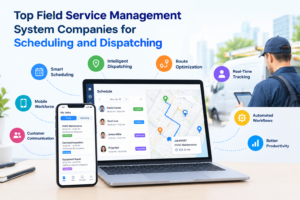
Field service management software healthcare helps teams manage tasks and lift service in far places.
- Track staff locations in real time
- Assign tasks based on need and place
- Update patient data right after visits
This makes sure care reaches patients fast and lifts service quality.
Benefits Of Digital Transformation In Healthcare
Digital tools bring many gains to healthcare systems and lift work across all areas.
Improved Patient Care
Doctors use full data and make choices with clear thought during care. This leads to better results and faster patient recovery.
Increased Efficiency
Tasks finish faster with automation, and staff focus more on care than admin work. This lifts output and cuts workload stress.
Cost Control
Hospitals cut waste and manage tools better with proper systems. This supports long growth and strong finances.
Challenges In Adopting Healthcare Software
Even with many gains, healthcare systems face challenges when they adopt new tools.
Data Security Concerns
Patient data needs strong safety to stop misuse and keep privacy safe. Systems must guard against threats at all times.
Staff Training Needs
New tools need learning, and staff must know how to use them well. Training helps smooth use and lifts system success.
System Integration Issues
Hospitals use many systems, and these must link well without errors. Good links keep workflows smooth and clear.
Future Trends In Healthcare Technology
Technology keeps changing, and healthcare systems must adapt to stay strong.
Use Of Artificial Intelligence
AI helps doctors study data and spot patterns that speed up care decisions.
Remote Patient Monitoring
Patients use devices at home to track health, and doctors get updates in real time.
Cloud-Based Systems
Cloud tools store data online and give easy access with strong safety.
Importance Of User-Friendly Design
Healthcare software must stay simple, as complex systems slow work and confuse users.
Easy Navigation For Staff
Doctors and nurses need clear screens that help them find data fast.
Better Patient Interaction
Patients use apps to book visits and check reports, which lifts their care journey.
Role Of Data In Future Healthcare Systems
Data drives modern healthcare decisions and supports better care plans.
Data Collection And Analysis
Systems gather large data and study it to find useful insights.
Predictive Healthcare Models
Data helps predict risks, and doctors act early to stop illness.
Building A Strong Digital Healthcare Ecosystem
Healthcare systems need tools that link and support smooth care.
Collaboration Between Departments
Teams share data and work together to lift care quality.
Continuous System Updates
Technology changes fast, and systems must stay fresh and strong.
Why Singapore Leads In Healthcare Innovation
Singapore builds strong healthcare systems and supports digital growth.
Government Support And Policies
Policies support digital tools and help systems grow.
Focus On Patient-Centred Care
Healthcare systems focus on patient needs and use tools to support care.
How Future-Ready Software Shapes Patient Experience
Patients expect quick and clear service, and digital tools meet these needs.
Faster Service Delivery
Patients get care fast, and systems manage tasks with speed.
Clear Communication Channels
Patients get updates about visits and reports, which builds trust.
Steps To Implement Healthcare Software Successfully
Hospitals must plan before they adopt new systems.
Identify Key Needs
Hospitals must know their needs before they choose tools.
Train Staff Properly
Training helps staff use systems with ease.
Monitor System Performance
Regular checks help improve system use over time.
Conclusion
Healthcare in Singapore stands strong where technology meets care and supports growth. Modern tools help doctors, nurses, and patients each day. Software for healthcare industry lifts speed, safety, and order in daily work. As new challenges rise, digital systems bring clear solutions that support growth and efficiency. From smart scheduling to mobile care, each tool plays a key role in care. With the right steps, healthcare systems stay ready for the future. Simple, safe, and fast software will shape better care and build a strong system that meets every need.
FAQs
What Is Software For The Healthcare Industry?
It means digital tools that help manage patient data, visits, and hospital work.
Why Is Scheduling Software Important In Healthcare?
It helps manage visits, cut waiting time, and improve workflow.
What Does Field Service Management Software Healthcare Do?
It helps manage staff who give care outside hospitals, like home visits.
How Does Healthcare Software Improve Patient Care?
It gives fast data access, cuts errors, and helps doctors make better choices.