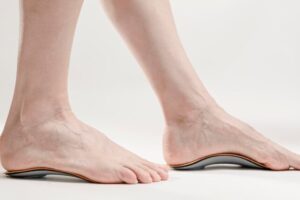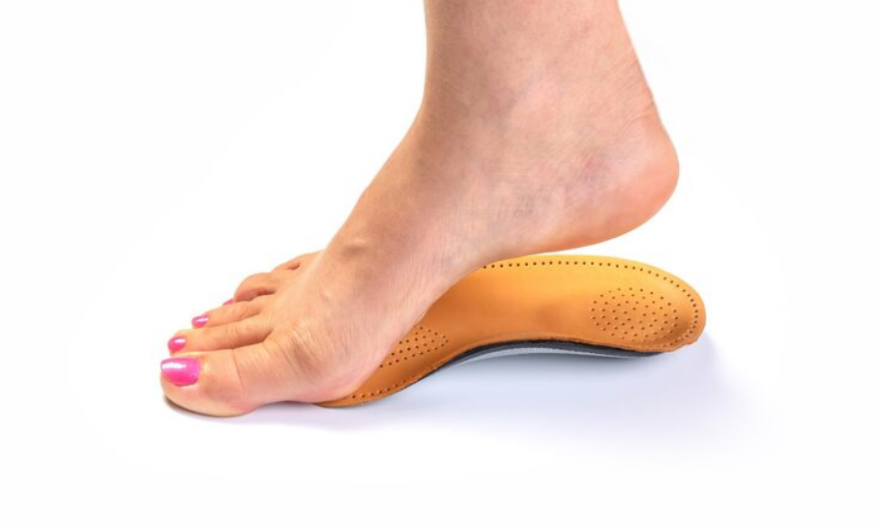
Walking should feel light and steady, yet high arches often spark stress with each step; therefore, many people sense strain during simple walks, which slowly steals comfort and confidence. Insole for High Arch steps in to restore balance and ease pressure across the foot.
With the right support, weight spreads wide, and movement flows with control. Over time, daily walks find rhythm and ease. When arches receive proper care, feet stay calm, posture straightens, and walking feels natural again.
Why High Arches Need Special Support
Walking insoles high arch support lift the foot high from the ground, which shifts pressure to small areas; therefore, this uneven contact strains muscles and joints during walking, while special support helps spread weight, improve balance, and keep each step steady and comfortable.
- First, spreads the load from heel to toe.
- Next, lifts the midfoot for full contact.
- Then, shield joints from hard impact.
- Finally, supports posture during long walks.
Altogether, support shapes movement and protects the foot frame with care.
How High Arches Change Foot Motion
Naturally, a high arch limits smooth roll. As a result, the foot lands hard and pushes off with force. In turn, this pattern strains muscles and joints. With proper support, motion regains balance. Step by step, the foot meets the ground with control rather than shock.
Common Signs of Poor Support
Clearly, feet send signals, though many overlook them. Over time, these signs grow louder.
- For example, sharp heel pain after walking
- Likewise, heat under the ball of the foot
- Similarly, tight calves after short trips
- Eventually, loss of balance on rough paths
When these signs remain, support must change to suit the arch shape.
Why Pain Spreads Beyond the Foot
Notably, foot strain travels upward. First, knees absorb extra shock. Then, the hips tilt under load. Afterward, the back bears strain. By contrast, proper support breaks this chain and protects the body during walks.
What Makes Walking Feel Better
Walking feels better when the foot stays balanced and supported at every step. The right shape and fit help guide movement and reduce stress on pressure points. With proper support, each step rolls smoothly, making walks feel easier and more enjoyable.
- Specifically, with a firm arch lift to smooth edges.
- Additionally, a deep heel cup for stable landings
- Meanwhile, to breathable top for fresh feet
- Plus, flexible front for natural push
Under these conditions, walking insoles with high arch support can bring joy back to daily walks.
The Role of Heel Control
Importantly, the heel strikes first. When guided well, the heel keeps the foot straight. As a result, twist and strain are reduced. Gradually, each step feels calm and steady.
Materials That Support High Arches
Strong materials play a key role in supporting high arches during walking. They help hold the foot in a stable position and reduce strain over time. The right mix of firmness and comfort keeps the arch lifted, protects joints, and supports steady movement.
- To begin with, dense foam for steady lift
- Then, a resilient base for long use
- Also, soft lining for skin comfort
- Finally, vent channels for airflow
Together, these materials hold shape and resist collapse through daily wear.
Why Firm Support Beats Soft Padding
Often, soft padding sinks under weight. By comparison, firm support holds the arch in place. Therefore, this balance keeps the foot aligned and strong during walks.
Fit Matters More Than Size
Above all, fit depends on arch shape, heel depth, and foot width. Although size marks guide choice, feel decides success.
- In particular, the arch lift meets the foot curve.
- Likewise, heel sits deep without slip.
- At the same time, edges rest smoothly against the skin
Afterward, a short walk test reveals true fit.
How to Test Fit at Home
First, stand tall. Next, walk a short path. Then, note balance and ease. Ideally, feet should feel calm. Meanwhile, pressure should spread with each step. If strain fades, the fit works.
Daily Walking and High Arches
In everyday life, daily walks place repeated load on high arch insoles. Therefore, support must handle both time and distance.
- For instance, reduces fatigue during errands.
- Also, maintains comfort on long paths.
- Additionally, supports a steady pace.
- Ultimately, protects joints through the day.
In this way, reliable support turns walking into a habit rather than a task.
Managing Long Days on Your Feet
During long days, break walks into parts. Meanwhile, shift pace with the terrain. When needed, rest without delay. In the end, support works best with smart use.
Shoes and Arch Support Work Together
Equally, shoes shape how support performs. A stable shoe frame strengthens the effect.
- Namely, a firm heel counter
- Likewise, moderate sole bend
- Also, roomy toe space
- Plus, secure lace or strap
When paired well, shoes and high arch insoles act as one unit.
When to Change Shoes
Over time, worn soles tilt the balance. Soon after, loose heels cause a slip. Therefore, replace shoes once the grip and shape fade. Fresh shoes renew support.
Walking Surfaces and Foot Care
Beyond footwear, surface choice affects comfort. Typically, hard paths stress arches. In contrast, mixed terrain spreads the load.
- For example, grass paths soften landings.
- Similarly, tracks offer even ground.
- Otherwise, pavements need strong support.
Alongside this, foot care supports long-term comfort.
Stretching for High Arches
Before and after walks, gentle stretches ease tension.
- Initially, calf stretch before walks.
- Afterwards, foot roll after walks
- Lastly, toes spread during rest.
Consistently, these moves keep muscles ready and relaxed.
Building Better Walking Habits
In the long run, walking insoles high arch support pairs with habit. Simple changes protect feet.
- First, start with short walks.
- Then, increase the distance with care.
- Meanwhile, switch shoes to share the load.
- Finally, rest your feet after long days
Altogether, steady care keeps walks pleasant and pain low.
Listening to Your Feet
Above all, feet respond fast. When noticed early, signs guide action. Accordingly, adjust pace, rest, or support as needed. As a result, walking stays safe and enjoyable.
Final Thought
Comfortable walking grows from steady support and thoughtful choices each day. High arches call for a structure that guides motion and softens load without force. Insole for High Arch guards feet by restoring balance and cutting strain with every step. When paired with good habits and fitting footwear, support builds trust on any path. Gradually, walking feels smoother and less tiring. With steady care, high arches stop limiting movement and let daily walks feel relaxed, secure, and enjoyable.
Frequently Asked Questions
Q 1: Why do high arches feel uncomfortable during walking?
High arches place more weight on the heel and front of the foot. This uneven load can cause strain, reduce balance, and make walking feel tiring without proper support.
Q 2: How long does it take to feel better support while walking?
Most people notice improved comfort within a few days of regular use. The feet adjust as balance improves and pressure spreads more evenly during daily walks.
Q 3: Can daily habits improve walking comfort for high arches?
Yes. Short walks, gentle stretches, rest breaks, and changing footwear help reduce strain. These habits support foot health and make walking feel steadier over time.