Floors say more about a home than most people realise. A shiny surface reflects care, order, and attention to detail. In Malaysia’s warm, humid climate, floors often lose their glow due to dirt, moisture, and frequent foot traffic. Over time, dull tiles affect the look of the entire room. Tile polishing services help restore what time has taken away — smoothness, clarity, and that almost-new shine.
Homeowners may mop and scrub daily, but some grime sinks deeper than the surface. Polishing lifts away these stains and layers of wear, revealing tiles that gleam once more. This process revives the look of homes without costly renovation.
Why Tiles Lose Their Shine?
Tiles fade gradually. Daily life brings scuff marks, water spots, and soil tracked in from shoes. Cleaning removes surface dirt, but stains build up over time. Mop water dries, leaving marks. Even quality tiles can lose their finish after months of wear.
Heat and humidity worsen the problem. In places like Penang or Johor Bahru, constant moisture causes dull patches. Kitchens, bathrooms, and entryways suffer the most. Without deeper treatment, tiles lose their smoothness and begin to look worn.
What Tile Polishing Does?
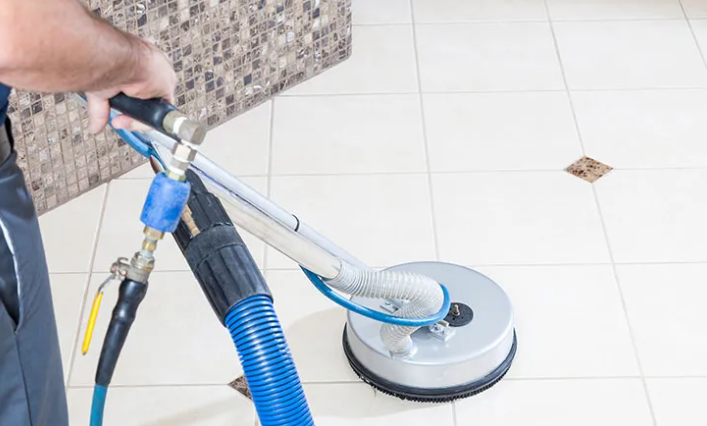
Polishing does more than clean. It smooths the surface, removes scratches, and restores natural brightness. Machines spin pads across the tiles, using controlled speed and pressure. This scrubs away years of buildup without harming the material.
Special tools reach into grout lines and corners, lifting grime that regular brooms miss. Once polished, the tiles reflect light more evenly. The floor appears brighter, even in rooms with little sunlight.
Where Polishing Makes the Biggest Impact?
Some rooms benefit more than others from polishing. These include:
- Entry halls: First impressions start at the door
- Kitchens: High traffic and spills dull floors quickly
- Bathrooms: Moisture creates stains and streaks
- Living areas: Large spaces shine more when polished
- Balconies or verandas: Rain and dust leave marks
Each of these places shows wear in different ways. Polishing restores the floor’s tone and texture in every case.
The Polishing Process: What to Expect
Understanding how polishing works helps homeowners prepare. Each step builds on the last, ensuring thorough results.
Tile Polishing Step-by-Step
- Inspection
- The surface is checked for cracks, stains, or loose tiles. This guides how deep the polish should go.
- Cleaning
- Floors are swept and scrubbed to remove surface dust and grease. This helps machines work better.
- Polishing
- Pads move in circles, grinding and smoothing the tile. Different pads are used based on tile type.
- Grout Treatment
- Cleaners remove grime from the lines between tiles. Some services reseal grout for extra protection.
- Buffing
- A final layer brings out the shine. Buffing removes haze and evens out the surface.
- Drying and Finish
- Floors are left to dry. Some receive a sealant to lock in the polish and protect from future stains.
Each of these steps shapes the final result — a clean, reflective, and smoother floor.
Types of Tiles and Their Needs
Different tiles react to polishing in different ways. Below is a table to show what methods suit common tile types.
Tile Types and Polishing Suitability
| Tile Type | Shine Potential | Notes on Polishing |
| Ceramic | Medium | Benefits from deep cleaning and buffing |
| Porcelain | High | Durable; handles strong polishing well |
| Marble | Very High | Needs gentle pressure; a delicate finish |
| Granite | High | Strong; can regain deep, rich shine |
| Terrazzo | Medium | Polishes well with care and sealing |
Knowing your tile helps you pick the right polish method. A professional team often checks this before starting.
Benefits Beyond Appearance
Restoring shine is the main goal, but tile polishing also helps in other ways.
1. Cleanliness
- Smooth tiles trap less dust and grime. This makes cleaning faster and more effective. Polished grout lines hold fewer stains and resist mould.
2. Safety
- Uneven tiles may cause trips. Polishing levels the surface. Sealed tiles resist slipperiness better than worn ones.
3. Light Reflection
- Shiny tiles bounce light across a room. This brightens the space and may reduce the need for extra lamps.
4. Comfort
- Polished tiles feel smoother under bare feet. This adds to comfort in bedrooms, lounges, and playrooms.
Signs Your Floor Needs Polishing
Not all dull floors look dirty. Some signs appear slowly, making them easy to ignore. Watch for:
- Cloudy or patchy tiles after cleaning
- Watermarks that stay even after drying
- Grout lines darker than they should be
- Light not reflecting from the floor
- Tiles that feel rough to the touch
These clues suggest the polish has worn down. Treating them early prevents deeper damage.
Long-Term Care After Polishing
Polishing brings results that last, but upkeep keeps the shine going longer. Follow these steps to protect your floor.
- Use soft brooms or dry mops daily to remove loose dust
- Avoid harsh cleaners that strip the sealant
- Place doormats at entries to trap soil before it spreads
- Wipe spills quickly to stop water damage
- Re-polish every 1–2 years based on traffic level
Simple habits stretch the life of your polished floor.
Why Malaysian Homes Need Regular Polishing?
Malaysia’s climate shapes how homes age. Warmth, rainfall, and air-conditioning all leave their mark on tile surfaces. Rain brings muddy shoes indoors. Condensation forms under furniture. Air-conditioners cool rooms, but leave moisture in corners.
In this climate, tile polishing keeps homes clean and safe. It also helps surfaces resist mould — a common issue in damp areas like bathrooms and ground floors. Homes near the coast benefit even more, where salty air and sand wear down finishes faster.
Common Myths About Tile Polishing
Several ideas prevent homeowners from trying polishing. Let’s clear them up.
- Myth 1: Polishing scratches the tiles
Truth: Professionals use graded pads and avoid damage through careful technique.
- Myth 2: It takes days to complete
Truth: Most jobs take one day, depending on room size.
- Myth 3: Only marble needs polishing
Truth: All tiles dull over time. Ceramic and porcelain also gain shine through polishing.
- Myth 4: You can mop for the same effect
Truth: Mopping cleans. Polishing restores.
Clearing these myths helps owners make informed choices.
The Role of Professionals
While small cleaning jobs suit DIY efforts, polishing works best with trained help. Experts know the right tools, speeds, and finishes for each tile. They spot cracks, suggest sealants, and guide aftercare.
Tile polishing services often begin with a home visit. This lets them assess the space, check materials, and recommend treatments. Their experience prevents costly errors and saves time.
Comparing Results: Before and After
Nothing shows the power of polishing like side-by-side views. Dull, cloudy tiles regain gloss. Light bounces from surfaces. Stains vanish. Lines sharpen. Rooms feel fresher, even without new paint or furniture.
Small changes add up. A clean floor changes how people move through a space. It invites bare feet. It makes guests notice. It brings comfort to those who live there every day.
Final Thoughts
Floors work hard in every home. They carry us through meals, rest, play, and daily routines. Over time, this leaves a mark. Tile polishing services reverse those marks — not with new materials or heavy tools, but with precision, care, and skill.
In Malaysia’s climate, where weather and wear never rest, polishing helps floors keep their place — bright, smooth, and strong. It restores more than just shine. It restores pride in the home.
FAQ’s
1. What is tile polishing, and how does it work?
Tile polishing is a cleaning and buffing process that removes dullness, stains, and scratches. Professionals use machines and polishing compounds to restore the original shine and smooth finish.
2. Why do tiles lose their shine over time?
Foot traffic, cleaning chemicals, moisture, and dirt buildup cause surface wear. In Malaysia’s humid climate, tiles can look faded or grimy faster, especially in kitchens and bathrooms.
3. How does polishing improve the look of my home?
Polished tiles reflect more light, making rooms appear cleaner, brighter, and more spacious. It enhances the floor’s appearance and gives a refreshed, well-maintained look to your interior.