Safety rules guide how buildings protect people and property each day. They shape design, materials, and escape planning clearly. A fire resistant door stands as a key part of this safety system, as it slows fire spread and shields exit routes. People get more time to leave danger zones. Builders and owners follow strict codes to meet safety goals. These doors support that process and help create safer spaces for everyone inside.
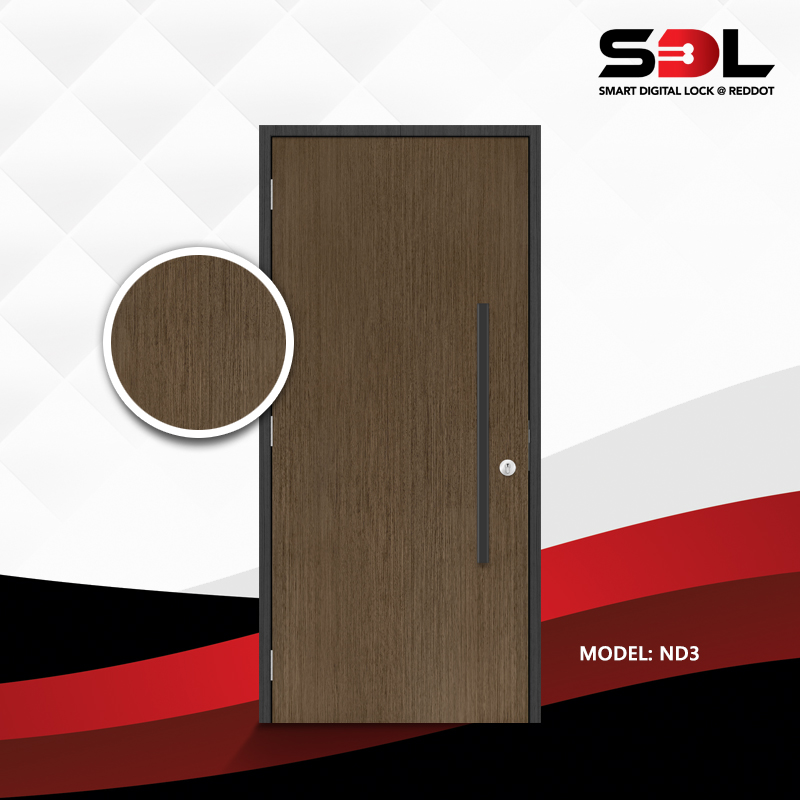
Why Fire Doors Matter in Building Codes
Building codes focus on life safety. Fire doors support this goal in a clear way. They block flames and smoke from moving across spaces. Therefore, they protect both people and property.
Key roles of fire doors
- Stop the fire from spreading between rooms.
- Protect staircases and exit paths.
- Reduce smoke movement.
- Give people more time to escape.
Also, inspectors check these doors during safety reviews. If they meet standards, the building passes key checks.
How Fire Doors Improve Safety Compliance
Fire doors meet tested standards. These tests measure how long the door can resist heat and flames. Because of this, builders can match doors to code needs.
Features that support compliance
- Strong core materials that resist heat.
- Tight seals that block smoke.
- Self-closing systems that keep doors shut.
- Clear labels that show fire ratings.
In addition, proper fitting matters. A well-fitted door works as intended. Poor fitting can break safety rules.
Types of Fire Doors Used in Buildings
Different spaces need different protection. So, builders choose door types based on use and risk level.
Common fire door types
- Timber fire doors for homes and offices.
- Steel fire doors for factories and plants.
- Glass fire doors for areas that need visibility.
Each type serves a clear purpose. Therefore, the right choice supports both safety and design.
Fire Ratings and What They Mean
Fire ratings show how long a door can resist fire. These ratings guide builders during planning.
Standard fire ratings
- 30 minutes for low-risk areas.
- 60 minutes for common zones.
- 90 minutes or more for high-risk spaces.
Higher ratings offer longer protection. So, builders match ratings with building needs.
Integration with Modern Security Systems
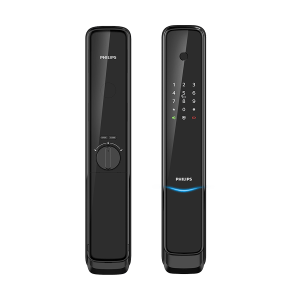
Safety and security often work together. Many buildings now use smart locks. A fingerprint door lock in Singapore solution adds access control while keeping safety in mind.
Benefits of combining safety and security
- Limit entry to authorised users.
- Track access records.
- Maintain secure exits during fire events.
- Support building management systems.
Safety rules still guide design. Doors must open quickly during emergencies. So, systems must not block exit routes.
Legal Requirements and Safety Standards
Every region sets clear safety rules. These rules guide how fire doors must perform and fit.
Key legal aspects
- Doors must carry certified fire ratings.
- Installers must follow approved methods.
- Regular inspections must take place.
- Records must show compliance.
Because of these rules, owners must stay alert. Ignoring them can lead to safety risks and legal issues.
Installation and Maintenance Requirements
A correct setup ensures performance. Skilled workers must install each door with care. After that, regular checks keep the door ready.
Maintenance checklist
- Check seals for gaps or wear.
- Test closing speed and alignment.
- Inspect hinges and frames.
- Confirm labels remain clear.
Moreover, routine checks help spot faults early. Quick fixes prevent larger risks later.
Role of Fire Doors in Emergency Planning
Emergency plans depend on clear escape routes. Fire doors support these plans in a strong way.
How fire doors support emergencies
- Guide people towards exits.
- Keep escape paths safe from smoke.
- Help rescue teams move safely.
- Reduce panic during evacuation.
Because of this, planners include fire doors in all safety layouts.
Energy Efficiency and Added Benefits
Fire doors do more than stop fire. They also help improve building comfort.
Extra benefits of fire doors
- Reduce heat loss between rooms.
- Limit noise movement.
- Improve indoor comfort.
- Support energy savings.
So, these doors serve both safety and daily use.
Choosing the Right Door for Compliance
Not all doors suit every space. Each area in a building may need a different rating. So, a careful choice of a fingerprint door lock in Singapore helps meet code rules.
Factors to consider
- Fire rating required by local codes.
- Door size and placement.
- Material strength.
- Compatibility with locks and systems.
A fire-resistant door that fits the space and rules will support both safety and approval.
Future Trends in Fire Door Technology
Building safety keeps evolving. New designs bring better protection and ease of use.
Trends shaping fire doors
- Smart sensors that detect faults.
- Improved sealing systems.
- Lighter yet stronger materials.
- Integration with digital systems.
These changes improve safety outcomes. As a result, buildings become safer and more efficient.
Importance of Proper Door Placement
The position of each door shapes how well it protects people during a fire. A smart layout keeps escape routes clear and easy to follow. It also helps control how fire and smoke move inside a building.
Key placement considerations
- Place doors close to staircases and exits.
- Keep main pathways open and free.
- Line doors up with emergency routes.
- Keep access clear and easy to see.
How Materials Influence Door Performance
The material of a door affects how it handles heat and pressure. Strong materials slow fire and keep spaces safer for longer. Each type brings its own strength and use.
Common material benefits
- Steel stands firm against high heat.
- Timber gives solid support in many spaces.
- Glass lets people see through while staying strong.
- Composite materials mix strength with light weight.
Role of Seals and Gaps in Safety
Small gaps can weaken safety if left open. Seals play a big role in stopping smoke from slipping through the edges. A tight fit keeps the door working well.
Why seals matter
- Block smoke from moving through.
- Expand in heat to seal gaps.
- Boost overall door strength.
- Keep escape routes safer.
Final Thoughts
Strong safety planning keeps buildings safe and ready for emergencies at all times. It also helps people act fast when danger shows up. A fire resistant door plays a vital role in this plan by holding back flames and guarding escape paths. When teams use proper design and carry out regular checks, they meet safety rules with ease. As a result, buildings meet legal needs and protect lives with care and trust.
FAQs
- Why do buildings need special safety doors?
Buildings need these doors to slow fire and smoke during emergencies. They guard escape paths and give people more time to leave safely. They also help meet safety rules set by authorities.
- How often should safety doors be checked?
Teams should check these doors often. Regular checks help find damage, loose parts, or gaps. Quick action keeps the door working well and cuts down safety risks.
- Can these doors work with modern locking systems?
Yes, they can work with smart locking systems. However, the setup must still allow quick exit during emergencies. Safety rules guide every choice when adding any locking feature.
- What happens if a door does not close properly?
A door that does not close can let smoke and fire spread fast. This can block escape routes and raise danger. Fixing the issue quickly helps keep people safe.
- Do all buildings need the same type of safety door?
No, different buildings need different types based on size, use, and risk level. Each space may need a specific design to meet safety rules and give proper protection.