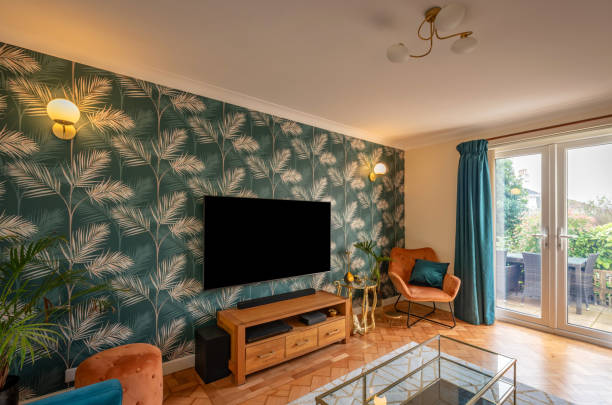
Design often begins with one strong surface that shapes the mood of a room. This surface draws focus, frames furniture, and adds depth without excess. A feature wall living room gains strength when modern form meets traditional detail with care. Clean edges bring clarity, while classic textures offer warmth and comfort. When these ideas work together, the wall feels balanced and calm. With the right mix of colour, shape, and material, one wall can link past and present and give the space a clear sense of identity.
Choose a Clear Style Base
Start with one strong style as your base. This choice gives direction and keeps the wall steady. Without a clear base, the wall can feel split.
- Pick a classic surface, such as wood panels or lime paint.
- Choose a clean base such as smooth plaster or stone slabs.
- Hold one tone across the wall so other elements can join with ease
Yet keep the base calm. Then layer other ideas on top with intent.
Why a Base Matters
A base style sets the mood. It helps modern traditional living room wall to share space without strain. When the base feels strong, added details feel planned, not forced.
Use Shape to Connect Eras
Shape links old and new styles with ease. Straight lines speak of modern taste, while curves nod to classic craft. Together, they can form a clear rhythm.
- Even mix square shelves with arched frames.
- Pair slim trims along with bold panels.
- Let one shape that repeats across the wall
So the eye moves with ease across the surface.
Keep Shapes in Balance
Too many sharp forms can feel cold. While many curves can feel heavy. Balance helps the wall feel calm and welcoming.
Blend Patterns with Purpose
Patterns can merge eras when they speak the same language. A wall geometric design can sit beside classic moulding when scale and tone align.
- Even use wide shapes rather than sharp lines.
- Keep the match pattern colour with trims or frames.
- Even space patterns so the wall can breathe.
While contrast sparks interest, harmony brings comfort.
Scale Shapes with Care
Large patterns suit wide walls. Small shapes suit narrow spaces. When the scale fits the wall, the design feels natural.
Balance Colour and Texture
Colour and texture carry weight on a wall. Mix them with care so the wall feels rich, not loud. Each surface should add depth.
- Also, pair warm shades with cool finishes.
- Even let soft fabrics meet firm surfaces.
- Echo one colour also across frames, art, or shelves
While texture adds depth, it helps blend time periods with grace.
Use Colour as a Thread
Choose one main shade and let it repeat. This thread ties old and new details into one clear story.
Add Art and Details with Meaning
Art and details seal the look. They guide the eye and add soul to a modern traditional living room wall.
- Each hangs classic art in clean frames.
- Also, place metal accents near wood tones
- Even shelves are used to stage old books with new forms
So the wall feels lived in, not staged.
Curate with Care
Each piece should earn its place. When items share colour or theme, the wall feels thoughtful and warm.
Mix Materials for Depth
Materials shape how the wall feels to the eye and touch. A mix of wall geometric design can bring warmth and contrast without clash.
- Even pair wood with metal for strength.
- Also, add a stone near the smooth paint.
- Even use fabric panels beside hard trims.
As a result, the wall gains depth and interest.
Keep Materials Honest
Let each material show its nature. Do not hide grain or texture. Truth in material brings trust to the design.
Use Symmetry as a Guide
Symmetry brings order. It suits both modern and classic styles. When used with care, it can calm a bold wall.
- Keep placing items in pairs.
- Evenly align frames along one line.
- Also, centre key pieces on the wall
Yet break symmetry with one small detail to add charm.
When to Break the Rules
A single off-centre piece can add life. Use this choice with care, so the balance stays intact.
Keep the Wall in Proportion
Scale decides success. Each item must suit the wall size and room shape. Large walls need bold pieces. Small walls need restraint.
- Keep large items low and centred.
- Along with grouping small pieces with intent
- Even leave space so the wall can rest
Even a balanced rules design, proportion keeps peace.
Let Space Speak
Space holds power. It lets the eye pause and gives value to what stays.
Layer Old and New Features
Layering builds story. Place old details first, then add new ones with care.
- Even starts with classic panels or trims.
- Add modern shelves along with lights.
- Finish with shared colours or shapes.
Thus, each layer supports the next.
Build the Wall in Stages
Work step by step. While this method helps spot balance and avoid excess.
Use Lighting to Shape Mood
Light shapes how the wall reads through the day. It can soften edges and lift detail.
- Even use wall lights to wash the texture.
- Also, aim the light to frame art or shapes.
- Choose warm bulbs that also suit mixed styles
Thus, the wall draws focus and feels whole.
Match Light to Material
Soft light suits wood and fabric. Clear light suits stone and metal. Match the light to the surface for comfort.
Add Personal Touches
A wall should reflect life, not just style. Personal items bring warmth and meaning.
- Even display family photos in simple frames.
- Along with adding objects from travel or craft.
- Every mix of old keepsakes with new finds.
So the wall tells a true story.
Keep the Edit Tight
Too many items can crowd the wall. While editing with care to keep focus clear.
Maintain Visual Flow
The wall should link with the rest of the room. Flow keeps the space calm.
- Repeat wall colours in cushions or rugs.
- Match metals with nearby fittings
- Echo shapes across furniture
As a result, the wall feels part of the whole.
Final Thoughts
Good design rests on balance, purpose, and restraint. Every choice should feel natural and support the space as a whole. A feature wall living room reaches its best form when modern style and traditional character share equal weight. Thoughtful layering, steady scale, and honest materials help the wall feel timeless. Personal details add meaning without clutter. Over time, such a wall continues to feel welcoming and relevant, proving that careful design can create comfort, beauty, and lasting harmony in one clear focal point.
FAQ
- Can modern and traditional styles really work together on one wall?
Yes, they can work well when balance guides each choice. Using shared colours, steady proportions, and simple shapes helps both styles support each other without visual conflict.
- How many design elements should a feature wall include?
A wall should include only what adds value. Too many elements can feel busy, while a few well-chosen pieces create clarity, focus, and a calm visual rhythm.
- What colours suit a mixed-style wall best?
Soft neutrals work well as a base. They allow textures, art, and materials to stand out while keeping the wall cohesive and easy on the eye.
- How can a feature wall stay timeless over the years?
Timeless design comes from restraint. Classic materials, simple forms, and meaningful details help the wall age well and remain relevant despite changing trends.