

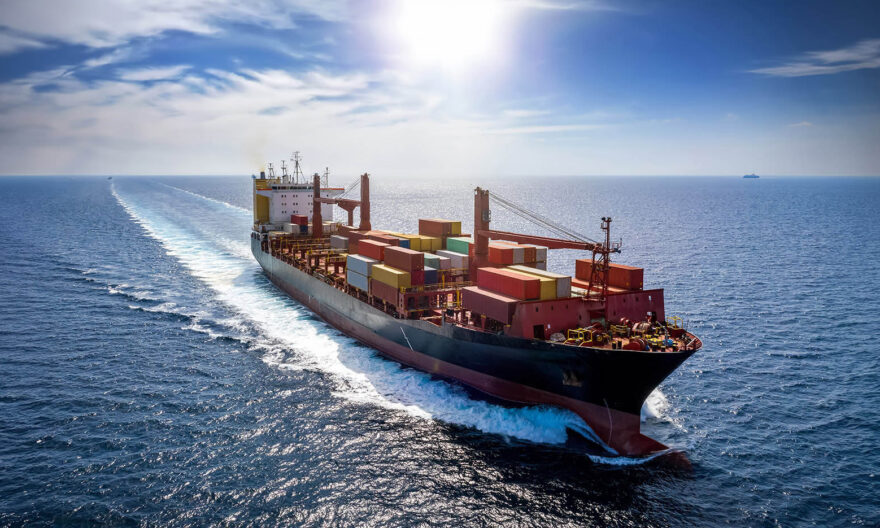
Marine operations move fast every day. Ships travel across long sea routes, ports handle heavy cargo and crews manage costly equipment. Because of this, operators need clear control over every asset. Real-time tracking systems help businesses watch vessels, tools and cargo without delay.
Modern tracking platforms improve safety, reduce losses and support smooth daily work. They also help operators make quick decisions during changing weather and busy shipping schedules. A strong marine asset management strategy keeps fleets organised while improving performance across operations.
Why Real-Time Tracking Matters in Marine Operations
Marine work involves constant movement. Ships enter ports, containers shift between locations and equipment moves across large areas. Without proper tracking, businesses may lose time, fuel and valuable assets.
Real-time tracking helps operators stay informed during every stage of a journey. Teams can view live updates and solve issues before delays grow larger.
Some key benefits include:
- Faster fleet monitoring
- Better route planning
- Reduced cargo loss
- Improved crew safety
- Stronger operational control
In addition, live tracking helps shore teams and vessel crews stay connected throughout the journey.
Faster Decision Making
Quick decisions keep marine operations running well. Tracking systems provide live updates that help managers respond without delay. If a vessel changes route or faces rough weather, operators can guide the crew with better planning.
As a result, businesses reduce confusion and improve daily coordination.
Better Asset Protection
Marine equipment costs a large amount to repair or replace. Therefore, operators need strong visibility across every asset.
Tracking systems help teams locate missing equipment and respond to unusual movement. This process lowers the risk of theft and damage.
How Marine Tracking Systems Work
Modern marine systems combine GPS technology, sensors and cloud platforms. These tools gather information from ships and marine equipment every second.
After that, the system sends the data to a central dashboard where operators can monitor fleet activity.
The platform can show:
- Vessel location
- Engine status
- Fuel levels
- Cargo movement
- Maintenance alerts
Because of this, teams gain a clear picture of operations at all times.
Smart Sensors Improve Visibility
Sensors help operators monitor equipment health during long journeys. These devices collect information from engines, fuel systems and other important areas.
For example, if engine heat rises above safe levels, the system sends an alert. The crew can then inspect the issue before major damage occurs.
This process helps operators avoid costly repairs and sudden breakdowns.
Benefits of Marine Asset Management Systems
A reliable marine asset management plan helps marine businesses improve safety, performance and operational control. Real-time monitoring also supports better planning across fleets and ports.
Better Fleet Efficiency
Tracking systems help vessels follow safer and shorter routes. As a result, operators save fuel and reduce travel time.
Managers can also avoid long waiting periods at ports. This improvement helps fleets complete more tasks within the same schedule.
Improved Maintenance Planning
Equipment failure can stop marine operations without warning. However, tracking systems help crews inspect assets before serious problems appear.
Maintenance teams receive alerts when systems detect unusual activity. Because of this, crews can repair equipment at the correct time.
This process helps businesses:
- Reduce repair costs
- Avoid sudden breakdowns
- Extend equipment life
- Improve vessel reliability
Stronger Communication
Good communication keeps marine operations organised. Tracking platforms allow shore teams and vessel crews to share updates with ease.
Everyone receives the same information at the same time. Therefore, teams avoid confusion and respond faster during emergencies.
Common Challenges in Marine Operations
Marine industries face many daily challenges. Harsh weather, long travel routes and changing schedules create pressure for operators and crews.
Real-time systems help solve many of these problems while improving visibility across operations.
Harsh Sea Conditions
Strong waves, saltwater and storms affect equipment performance. Because of this, marine systems need strong and durable hardware.
Tracking devices built for marine use continue working during rough weather. This reliability helps operators maintain control during difficult conditions.
Long-Distance Travel
Ships often travel far from coastal areas. Communication signals may weaken during long journeys across open water.
Modern tracking systems use satellite support to maintain stable monitoring across remote locations.
Large Amounts of Data
Marine fleets generate huge amounts of information every day. Operators may struggle to organise this data without proper tools.
Clear dashboards and simple reports help managers understand operational details with ease.
How Marines Asset Tracking Software Supports Daily Operations
Modern fleets depend on live information to maintain smooth operations. Therefore, many operators now rely on marines asset tracking software to monitor assets across ports and sea routes.
These systems provide accurate updates that help teams improve planning and reduce delays.
Live Monitoring Across Fleets
Tracking software helps operators monitor multiple vessels from one platform. Managers can review routes, cargo movement and equipment status without delay.
This process improves visibility across large fleets while helping teams respond to issues faster.
Some important functions include:
- Route monitoring
- Cargo tracking
- Fuel monitoring
- Engine inspection
- Security alerts
Faster Emergency Response
Marine emergencies require quick action. Tracking systems send alerts when operators detect unusual movement or equipment problems.
For example, crews may receive warnings about:
- Fuel leaks
- Route changes
- Engine failure
- Security threats
Because of this, teams can solve problems before they affect the full operation.
Why Data Accuracy Matters in Marine Operations
Accurate data helps operators make better decisions. Wrong information can create delays, increase fuel use and affect cargo delivery.
Modern tracking systems collect live updates from multiple sources. This process helps businesses maintain better control across marine operations.
Better Planning for Operators
Live data helps managers prepare safer travel routes and improve scheduling. Operators can also reduce waiting time at ports by studying fleet movement closely.
As a result, businesses improve productivity across operations.
Reduced Operational Costs
Poor planning often increases fuel use and maintenance expenses. However, accurate tracking data helps teams reduce waste and improve efficiency.
This process supports stronger financial control across fleets.
How an Asset Tracking System Helps Compliance
Marine industries follow strict safety and environmental rules. Operators must maintain accurate records for inspections and reporting.
A modern asset tracking system helps businesses organise important operational information with ease.
Easier Record Storage
Digital systems store maintenance records, fuel reports and travel history in one location. Teams can access this information during inspections without searching through paperwork.
This process saves time and reduces errors.
Better Environmental Control
Marine businesses face growing pressure to reduce pollution and fuel waste. Tracking systems help operators monitor fuel use and vessel performance closely.
Because of this, businesses can support cleaner marine operations while improving efficiency.
Features to Look for in Marine Tracking Systems
Marine businesses need systems that provide reliable performance every day. Operators should choose tools that support safety, visibility and smooth communication.
Real-Time GPS Tracking
Accurate GPS monitoring helps operators track vessel movement with precision. Live updates improve route planning and support faster response during emergencies.
Automated Maintenance Alerts
Maintenance reminders help crews service equipment at the correct time. This process reduces the risk of sudden failure during operations.
Mobile Access
Mobile access allows managers to monitor fleet activity from different locations. Teams can review important updates without returning to control centres.
Strong Security Protection
Marine data contains valuable operational information. Strong security systems help protect data from theft and unauthorised access.
Future Trends in Marine Tracking
Marine technology continues to improve each year. New systems now provide deeper visibility and better operational support.
Predictive Maintenance
Predictive tools study equipment behaviour over time. These systems detect warning signs before major problems appear.
As a result, crews can repair equipment before operations stop.
Smarter Route Planning
Advanced tracking systems study weather conditions, fuel use and shipping traffic together. Then, the system recommends safer travel routes.
This process helps operators save time and reduce fuel costs.
Remote Fleet Management
Operators can now manage fleets from distant control centres. Real-time visibility allows shore teams to guide operations without delay.
This setup improves communication between ports and vessels.
Why Marine Operators Need Better Tracking Solutions
Marine operations involve costly assets and complex schedules. Without proper tracking, businesses may face delays, equipment loss and safety risks.
A strong marine asset management system helps operators protect equipment while improving daily operations. Better visibility also supports stronger planning across fleets and ports.
At the same time, marines asset tracking software helps businesses monitor vessel movement and equipment condition with greater accuracy. Teams can respond faster and maintain smoother operations throughout the journey.
In addition, a modern asset tracking system supports compliance, improves reporting and helps operators maintain better control over valuable assets.
Conclusion
The marine sector experiences never-ending cost increases together with shifting weather patterns and complex shipping timetable requirements. The need for daily operational tracking has led to real-time monitoring systems becoming essential for businesses.
Modern tracking platforms help businesses monitor vessels, cargo and equipment with better accuracy. These systems improve safety, support maintenance planning and strengthen communication across fleets.
Organisations which operate marine activities at scale need dependable systems to provide operational management and monitoring solutions which function throughout their daily operations.
FAQs
1. What is marine asset tracking?
Marine asset tracking helps operators monitor vessels, cargo and equipment in real time. The system uses GPS devices and sensors to provide live updates during marine operations.
2. Why do marine businesses need tracking systems?
Tracking systems improve safety, reduce delays and protect valuable equipment. They also help operators manage fleets with better control.
3. How does real-time tracking improve marine safety?
Real-time updates help crews respond quickly during emergencies. Operators can detect equipment problems, route changes and security risks without delay.