

When choosing between open display and glass door refrigerated cabinets, the right answer depends on your store’s layout, product type, and sales goals. Open display chillers boost impulse purchases by removing access barriers, but consume more energy. Glass door refrigerators offer better temperature control and lower running costs, making them ideal for stores prioritising efficiency without sacrificing visibility.
If you run a convenience store or retail outlet, the type of refrigerated cabinets you choose directly affects your electricity bill, your customers’ shopping behaviour, and your product presentation. Both formats have a strong case — but they serve different purposes. Here’s a side-by-side breakdown to help you decide.
What Is an Open Display Chiller?
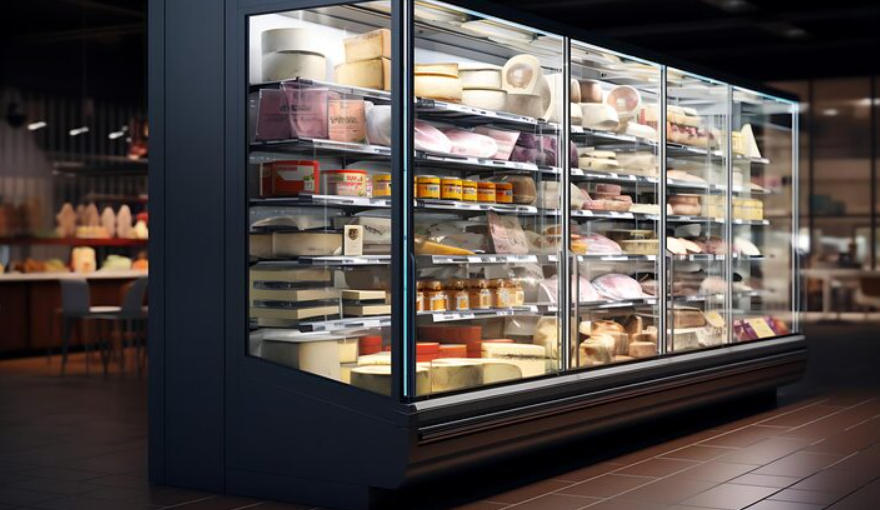
An open display chiller is a refrigerated unit with no door — products sit fully exposed at the front. Cold air is maintained through a curtain of chilled airflow directed downward from the top of the cabinet opening. You’ve seen these lining the aisles of supermarkets, bakeries, and convenience stores displaying drinks, dairy, and grab-and-go foods.
The key selling point is frictionless access. No handle to grab, no door to open — customers simply reach in. That ease of access is directly tied to impulse buying, which is a critical revenue driver in retail environments.
What Is a Glass Door Refrigerator?
A glass door refrigerator, also known as a commercial display fridge, uses transparent glass panels on hinged or sliding doors to keep the cold in while still showcasing the products inside. Common formats include single-door, double-door, and multi-section reach-in units.
These are widely used in convenience stores, petrol kiosks, and specialty food retail. Products remain visible, temperature stays consistent, and energy consumption is significantly lower compared to open-front units.
Open Display vs Glass Door: Head-to-Head Comparison
| Factor | Open Display Chiller | Glass Door Refrigerator
|
|---|---|---|
| Customer Access | Immediate, no barrier | Requires opening a door |
| Impulse Purchase Rate | Higher | Moderate |
| Energy Consumption | Higher (30–40% more) | Lower, more efficient |
| Temperature Stability | Variable (affected by ambient heat) | Consistent and controlled |
| Product Visibility | Full, open view | Clear through glass |
| Best For | Bakeries, delis, high-traffic grab-and-go | Beverages, dairy, packaged goods |
| Maintenance | More frequent (exposed to ambient air) | Less frequent |
Merchandising: Which Format Drives More Sales?
Open display chillers have a clear edge when it comes to impulse purchases. Research in retail merchandising consistently shows that reducing friction — even eliminating a single step like opening a door — can meaningfully increase grab rates for snacks, beverages, and ready-to-eat items.
That said, glass door units aren’t passive. A well-lit, neatly stocked display fridge creates strong visual appeal through the glass and can actually elevate product perception. Premium beverages, craft drinks, and packaged gourmet items often look more appealing behind glass, which adds a sense of quality to the presentation.
Which Works Better for Convenience Stores in Singapore?
In Singapore’s warm, humid climate, convenience stores often prefer glass door refrigerators for chilled beverages and packaged products. The sealed environment prevents condensation issues and keeps the cold chain intact despite frequent door traffic. Open display units work well in air-conditioned supermarkets or bakery sections where ambient temperatures are controlled.
Energy Use: The Real Cost Difference
Energy efficiency is a major decision factor, especially with Singapore’s electricity tariffs. Open display chillers work harder to maintain cold temperatures because the refrigerated zone is constantly exposed to the surrounding air. This can lead to significantly higher energy consumption — estimates from commercial refrigeration studies suggest open-front units use roughly 30–40% more energy than equivalent glass door models.
For a convenience store running multiple units 24/7, that gap adds up fast. Glass door commercial display fridges maintain a sealed environment, which means the compressor runs less frequently and the unit holds its set temperature more efficiently.
Singapore Energy Efficiency Standards to Consider
In Singapore, commercial refrigeration equipment falls under guidelines monitored by the National Environment Agency (NEA) and the Energy Market Authority (EMA). Retailers are encouraged to select energy-efficient appliances, and some commercial refrigeration units carry the NEA’s Energy Label or are compliant with Singapore’s Green Mark standards. Choosing a rated glass door unit can support sustainability goals and reduce long-term operating costs.
Customer Experience: Convenience vs. Comfort
From a shopper’s perspective, open display chillers are the most convenient — no effort required. But there’s a comfort trade-off. Standing in front of an open chiller for more than a few seconds means getting blasted with cold air, which can be uncomfortable in a small store space.
Glass door units create a cleaner, more comfortable browsing experience. Customers can scan products visually before committing to opening the door. For stores stocking a wide variety of beverages or dairy products, this browse-then-decide behaviour can actually support larger basket sizes.
Which Type of Refrigerated Cabinet Should You Choose?
Here’s a practical guide based on common retail scenarios:
- High foot traffic + impulse-driven products (sandwiches, pastries, cut fruit): Open display chiller is the stronger performer.
- Beverages, bottled drinks, dairy, packaged goods: Glass door refrigerator is more efficient and still highly visible.
- Small store with limited HVAC: Go with glass door — the open unit will strain your cooling system and spike energy bills.
- Large supermarket with controlled environment: Open display chillers work well in refrigerated aisles where ambient temperature is kept low.
- Premium product display: Glass door adds perceived value and keeps products looking clean and well-presented.
The decision often comes down to this: if speed of access and impulse sales are your top priority, open display wins. If energy savings, temperature consistency, and a polished presentation matter more, glass door is the smarter investment.
Final Thoughts
There’s no single “better” option — it depends on what you’re selling, where your store is located, and how your customers shop. Many retailers in Singapore use both formats strategically: open display units near the checkout counter for grab-and-go items, and glass door units along the walls for beverages and packaged products.
If you’re looking for quality commercial refrigeration solutions suited to the Singapore retail market, Hubs offers a range of refrigerated cabinets designed for retail and convenience store use — from compact single-door units to multi-section open display chillers built for high-volume environments.
Frequently Asked Questions
What is the difference between an open display chiller and a glass door refrigerator?
An open display chiller has no door, allowing direct product access and encouraging impulse purchases. A glass door refrigerator uses transparent doors to maintain temperature while keeping products visible. Open units consume more energy; glass door units are more efficient and better at maintaining consistent cold temperatures.
Which refrigerated cabinet is more energy-efficient?
Glass door refrigerators are significantly more energy-efficient. Open display chillers expose the refrigerated zone to ambient air constantly, forcing the compressor to work harder. Glass door units can use up to 30–40% less energy, making them the preferred choice for stores focused on reducing electricity costs.
Are open display chillers suitable for convenience stores in Singapore?
They can work, but they’re better suited to air-conditioned environments. In Singapore’s humid climate, open display chillers can struggle with condensation and higher energy draw. Most convenience stores prefer glass door commercial display fridges for beverages and packaged goods due to better temperature control and lower running costs.
Do glass door refrigerators affect impulse buying?
Slightly, yes. The extra step of opening a door can reduce impulse grab rates compared to open display units. However, a well-lit and neatly arranged display fridge still drives strong sales, particularly for beverages and packaged items where customers make deliberate choices rather than purely impulse decisions.
What products are best suited for open display refrigerated cabinets?
Open display cabinets work best for ready-to-eat items, pastries, sandwiches, cut fruit, and grab-and-go snacks. These are products customers pick up quickly without browsing. The barrier-free access increases the chance of an unplanned purchase, making open display chillers effective in bakeries, delis, and high-traffic retail counters.
How do I choose the right commercial display fridge for my store?
Consider your product type, store size, and energy budget. Glass door units suit most beverage and packaged goods retailers and offer better efficiency. Open display units are ideal for impulse-driven, grab-and-go categories. Also factor in Singapore’s ambient humidity and your store’s air-conditioning capacity before making a final decision.