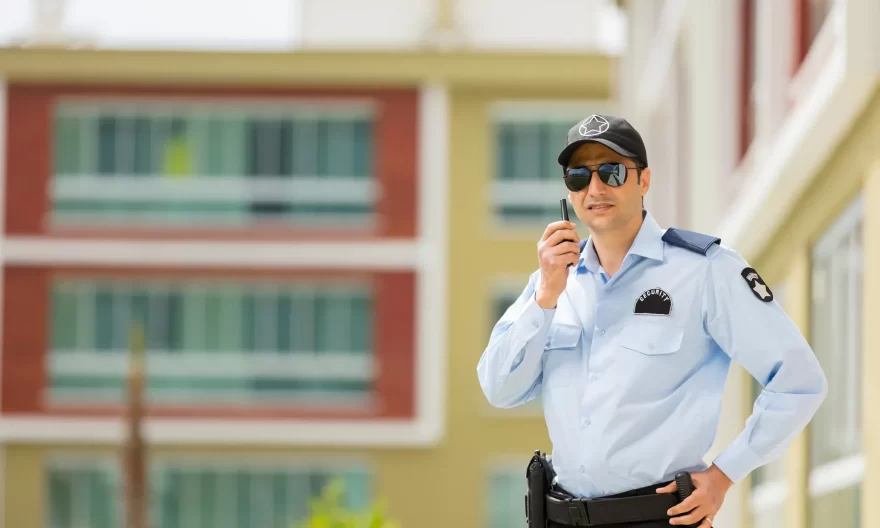
When crowds gather, lights dim, and music fills the air, someone must watch the edges. Every event holds energy, excitement, and also risk. Whether it’s a quiet talk or a lively concert, people arrive expecting not just fun, but safety too. Today, event planning includes more than food and sound. It must include calm, trained guards who quietly direct the space.
Professional event security services do more than stand at the gate. They plan, act fast, handle situations, and move with care. They notice small changes, guide people with ease, and help create a space where everything flows smoothly. In this article, you’ll explore why event security shapes a successful gathering and what makes a strong team stand out.
Why Event Security Matters?
Every event brings energy, people, and often unknowns. Strong security covers these moving parts with quiet precision.
● Prevent Problems Before They Start
Security officers observe the space with trained eyes. They recognise issues before they flare up and guide the situation back to calm. From managing long queues to spotting suspicious behaviour, early action removes risk from the path.
● Protect Guests and Crew Alike
Safety isn’t just for the crowd. Performers, hosts, vendors, and crew need protection too. Event security teams keep close watch on all areas, not just the entrance. This full coverage allows everyone to focus on their roles without worry.
● Handle Emergencies with Skill
Even with the best planning, events can shift suddenly. Accidents, medical needs, or rowdy guests may surface. Professionals trained in security move quickly and know who to alert, what to say, and how to calm the scene. Their fast action keeps things on track and shields others from panic.
What Event Security Services Include?
Security teams tailor their support based on your event type, size, and risk level. Though each plan looks different, some key duties remain the same.
● Access Control and Screening
One of the main tasks involves checking bags, tickets, and passes. This helps prevent unauthorised entry and keeps banned items outside. Guests feel safer knowing the venue checks for their safety.
● Crowd Management
Large crowds can turn restless if movement slows or signs feel unclear. Event security services guide people smoothly from point to point. Their presence also deters aggressive behaviour or poor conduct.
● Surveillance and Patrols
While fixed points stay covered, roving guards walk the venue to spot hidden trouble. Some use body cameras or communicate through radios for real-time updates. These patrols also help guests feel seen and cared for.
Types of Events That Require Security
All events benefit from security. Still, some settings carry a greater need based on attendance, importance, or risks.
Here are common event types that call for strong security:
| Type of Event | Reason for Security |
| Corporate Conferences | Data protection, crowd control, and VIP handling |
| Concerts & Festivals | Large, energetic crowds need control and medical support |
| Sporting Events | Tensions run high; quick response teams reduce conflicts |
| Private Gatherings | Small groups still need protection and access screening |
| Public Ceremonies | Visibility draws attention; guards deter threats |
Planners often overlook smaller gatherings. However, even quiet events gain peace of mind with a professional eye nearby.
Planning Ahead With Security in Mind
Solid security doesn’t appear overnight. It grows from careful planning weeks or months before the event date.
● Site Surveys
Before the event begins, security professionals visit the location. They assess entry points, lighting, exits, crowd flow, and weak spots. This helps shape a proper layout and staff count.
● Clear Communication Lines
Security teams need strong links with event staff. They must understand timelines, VIP movements, or any high-risk guests. Shared walkie-talkies, shift charts, and backup plans ensure smooth action if something shifts.
● Role Assignments
Not all guards do the same job. Some focus on gates, others on backstage areas, and some walk the crowd. Each role must fit the officer’s skill, so the entire system moves like clockwork.
Qualities of a Trusted Event Security Team
Many claim to offer great protection. But trusted teams stand out in clear ways.
● Trained and Licensed Personnel
Always seek guards with proper credentials. They must know how to de-escalate tension, spot danger, and use equipment when needed. Good firms ensure their people pass both physical and written tests.
● Polite Yet Firm Conduct
Security guards need more than muscle. They greet guests, answer questions, and help with directions. Still, they also know when to step in and stop poor conduct. This mix of warmth and strength shapes a good impression.
● Experience With Similar Events
Not all events move the same way. A music festival differs from a product launch. Pick teams who’ve handled your event type before, so they know what signs to watch and what pace to hold.
How Security Affects Event Success?
Many think of safety and success as two separate paths. But often, one shapes the other.
● Peace of Mind Brings Focus
When staff feel safe, they work better. When guests feel guarded, they relax more. This calm spreads across the venue and lifts the energy of the whole day.
● Smooth Flow Raises Enjoyment
Security officers don’t just stop harm. They also guide queues, clear space, and keep exits open. Their role improves comfort, movement, and access—making the event more enjoyable.
● Shows Care and Responsibility
Hiring security shows you care. It tells people that their comfort and safety matter. This builds trust and can raise your event’s image for the future.
Finding the Right Fit for Your Event
Not all security providers suit every event. You need someone who matches your scale, mood, and plan.
● Ask Key Questions
Before hiring, ask about staff training, emergency methods, and event history. Check if they’ve managed your type of venue or guest list before.
● Review Their Communication Style
Watch how the team speaks with you. Good firms listen, explain clearly, and share safety tips without confusion. This gives you a smooth working bond from start to finish.
● Read Reviews and Reputation
Trusted names rise with good service. Look for reviews or past clients who speak well of the company. These signs often reflect what you can expect.
Closing Thoughts
Safety never shouts—but it speaks through action. A well-secured event hums with calm and lets every guest focus on the reason they came. Security guards form the quiet layer of care behind each successful gathering.
By working with skilled professionals, you don’t just prevent harm—you shape the mood and comfort of the day. From small private meetings to massive concerts, security earns its place as a key part of every plan.
FAQs
Q1: When should I bring in security planning for my event?
Start planning security at least a month early. This allows time to check the site, form roles, and prepare the team.
Q2: What info should I give my security team?
Share site maps, schedules, VIP details, and your event plan. Clear info helps them work better and faster.
Q3: Can regular staff replace trained guards?
No. Trained guards know how to stop danger, respond fast, and handle pressure. Regular staff often lack those skills.
Q4: Do private parties need guards too?
Yes. Small events also face risks. Guards protect guests, block uninvited entry, and bring peace of mind.