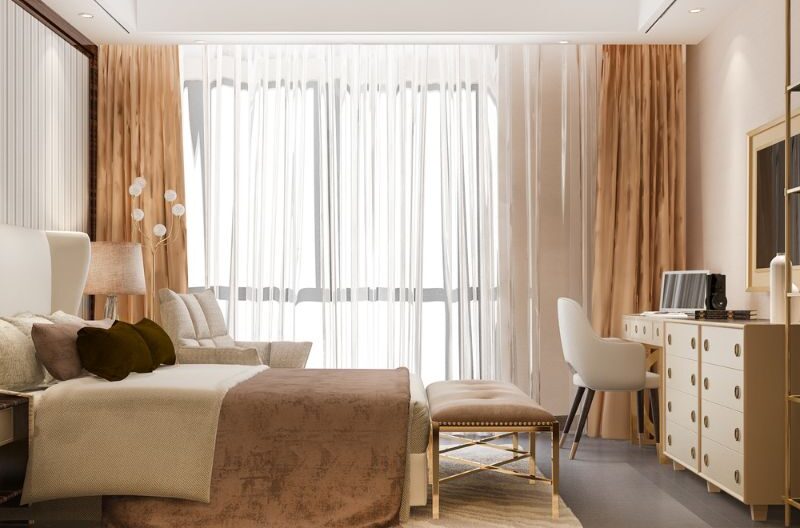
Design moulds how people live, move, or enjoy their homes. Every homeowner longs for a place that mirrors their spirit or rhythm. Condominium interior design reshapes small flats into glowing, snug, or welcoming spaces. In busy cities, these clever plans stretch every corner must bring comfort. They mix purpose with beauty, letting each room speak with its own charm. When homes breathe with character, even the tiniest spaces shine with warmth or meaning, proving that smart design can lift the way we live each day.
Rising Demand for Customised Living Spaces
People want homes that feel like their own. They no longer accept designs that copy every other flat. Custom interiors let them mould rooms that match real lives with habits.
Why Customisation Matters
- Freedom of Choice: People pick colours, textures, or finishes that suit them.
- Smart Layouts: Designers carve value from tight corners or low ceilings.
- Smooth Movement: Rooms flow together or make daily life easy.
Customisation gives power back to the owner. Each decision brings a clear purpose to turn space into comfort.
Appeal of Customised Design
A personal design lets owners craft rooms that follow their rhythm. Every shelf, wall, with light matches how they live. Instead of fitting life into the room, the room fits their life.
Key Reasons
- Personal Expression: Walls, lights, or fabrics echo the owner’s taste.
- Space Efficiency: Built pieces hug tricky corners or odd walls.
- Better Comfort: Smooth layouts make homes feel larger or friendlier.
A customised design grows as the owner grows. It changes with new needs without breaking the whole plan.
Functional Benefits That Last
Custom designs do more than look nice. They solve daily problems through sharp planning.
Everyday Advantages
- Hidden Storage: Drawers slide under beds, cabinets merge with walls.
- Strength: Owners pick strong materials that handle wear or time.
- Energy Sense: Good light with airflow, lower power use.
- Flexible Use: Movable walls with foldable pieces adjust when life shifts.
These details save time, space, or effort. They build homes that last to feel right every day.
Emotional Value Behind Personalised Spaces
A custom home carries more than wood or paint; it carries stories. Every colour with a corner tells a part of someone’s life.
Emotional Touchpoints
- Pride of Ownership: Each choice feels like a creation, not a purchase.
- Calm or Belonging: Personal spaces give peace after long days.
- Family Bonds: Families plan together, shaping memories in each design.
When design stirs emotion, a flat becomes more than shelter; it becomes a personal world.
Sustainable Customisation Choices
More owners care about the planet. They want homes that protect nature while staying stylish. Designers now blend beauty with eco-friendly choices.
Green Elements in Design
- Reclaimed Wood: Adds warmth or history while cutting waste.
- Low-Toxin Paints: Keep the air safe to breathe.
- Energy-Saving Fixtures: LED lights or motion sensors trim bills.
- Natural Ventilation: Open layouts invite wind or sunlight.
These choices protect health in the environment while keeping the home lovely.
Role of Technology in Design Planning
Technology now guides design from dream to detail. With digital tools, owners can walk through their space before building begins.
Digital Tools That Help
- 3D Views: Show how light, colour, or space work together.
- Planning Apps: Let owners shift furniture with test ideas fast.
- Smart Systems: Control lights, air, or safety with a touch.
These tools make design faster, clearer, or easier for everyone involved.
Popular Trends in Condominium Design
Condominium interior design in Singapore, where most people live in condominiums, every metre matters. Designers sculpt layouts that look open, calm, or cosy. Custom touches stretch small flats to make them feel spacious or alive.
Current Trends
- Minimalist Look: Plain lines or neat spaces quiet the mind.
- Natural Textures: Wood, linen, or stone bring life inside.
- Soft Colours: White, grey, or earth tones stretch the eye.
- Multipurpose Furniture: One piece works in many ways, like beds with drawers or folding desks.
These trends shape homes that look calm to act smart.
Process of Creating a Customised Condo Interior
Creating a personalised home needs teamwork between the designer to the owner. Each step shapes the final feel function.
Stages of Design
- Discussion: The owner shares habits, goals, or dreams.
- Site Check: Designers study light, flow, with limits.
- Concept Sketch: Ideas grow into drawings or boards.
- Material Pick: Owners choose textures or colours that suit them.
This hands-on path ensures no detail gets lost from dream to reality.
Budgeting Without Compromise
A custom home doesn’t have to drain savings. With careful thought, owners can balance quality with cost.
Budget-Friendly Tips
- Plan Early: Clear plans stop costly mistakes later.
- Pick Strong Materials: They last longer or save money over time.
- Keep Themes Simple: Fewer patterns create calm to cut waste.
- Reuse Items: Refinish old furniture or reuse fittings in fresh ways.
When owners spend wisely, they gain beauty with value that endures.
Future of Condominium Interiors
Modern condominium interior design in Singapore keeps changing, in homes must grow with it. People now work, rest, or play in the same space. Future designs will blend these roles smoothly.
What Lies Ahead
- Convertible Rooms: Living areas turn into study corners in seconds.
- Smart Storage: Shelves rise, move, or hide at a touch.
- Eco Materials: Bamboo, cork, or recycled boards take centre stage.
- Interactive Lighting: Rooms glow to match the mood or time of day.
The future of homes stays rooted in customisation, spaces built to match life, not the other way around.
Power of Colours Light in Small Spaces
Colour or light can change the way a home feels. They can widen, lift, or calm a room instantly.
How to Use Them Well
- Light Colours: Make rooms look airy or open.
- Accent Walls: Add charm without crowding space.
- Natural Light: Large windows or mirrors draw in brightness.
- Warm Lights: Lamps or wall lights create a gentle glow.
When used smartly, colour or light shapes mood with comfort at once.
Final Thought
A home should echo the people who fill it with life or laughter. Great design builds pride with sparks a true sense of belonging. Condominium interior design helps owners craft rooms that feel alive, practical, or graceful. Every colour, texture, or shelf choice adds charm or purpose. When design joins hands with imagination, flats bloom into calm retreats. Custom plans remind us that a home doesn’t need to be big to feel full; it only needs heart, care, or clever design.
Frequently Asked Questions
1. Why do people choose customised home designs?
People choose customised designs because they want homes that match how they live. Custom plans let them shape layouts, pick colours, or arrange furniture that suits their days. This brings comfort, saves space, or turns each room into something special or personal.
2. How can design make small spaces look bigger?
Designers use soft colours, mirrors, or clever furniture to stretch small spaces. They map layouts that guide movement easily. Smart storage with simple styles clears clutter, helping even tiny homes grow in look, warmth, or comfort.
3. What is the main goal of interior design?
The main goal is to craft a home that feels balanced to alive. Designers carve spaces that support how people move, work, or rest. Each choice joins beauty or purpose, making every moment at home smoother or brighter.
4. How do I start planning a home redesign?
Begin by naming what you need from each room. Gather pictures or ideas that show your taste. Then meet a designer who can shape your vision. Clear plans or open talks turn dreams into real spaces you’ll love living in.