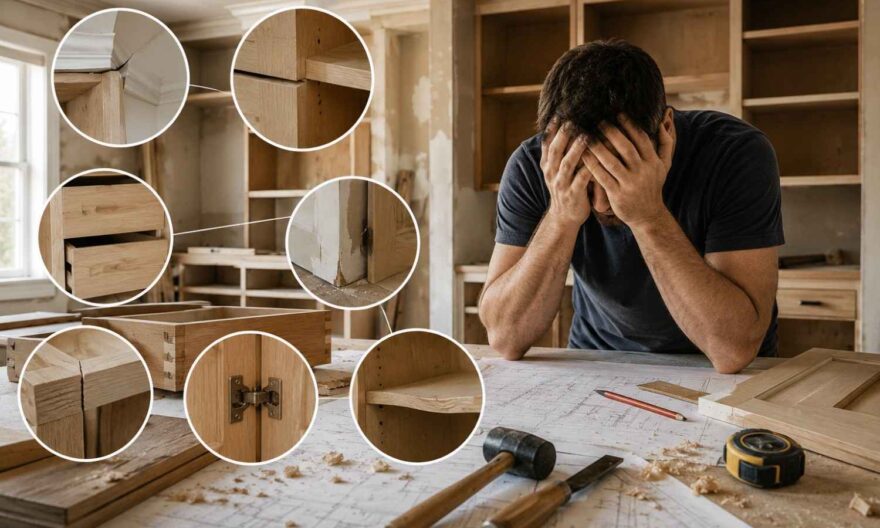
Renovation budgets appear strong from the very beginning. However, there are cases when a lot of homeowners spend much more money on their projects compared to the initial budgets after custom carpentry work is started. A slight design alteration, a mistake in materials, or an incorrect quote can significantly increase expenses.
Custom carpentry in Singapore requires great caution. It is important to realise that, although built-in storage, wardrobes, and kitchen cabinets have a positive influence on the appearance of your place, mistakes may result in additional expenses, problems, and delays. The problem is that not all of these mistakes become visible during the planning stage.
Therefore, recognising common causes that may make your renovation budget increase is crucial to avoid unpleasant situations in the future. Below, you will find some of the most frequent mistakes which should be taken into account.
Why Custom Carpentry Costs Can Rise So Quickly
Custom carpentry can help homeowners achieve a certain level of elegance, functionality, and utility in their homes. Unlike pre-manufactured products, however, each item is tailor-made to suit particular requirements and space.
Numerous factors can affect the total cost of a carpentry project. These include the type of materials used, the grade of hardware selected, accurate measurements, finishes, and installation requirements. Working with reputable direct carpentry services in Singapore can make it easier to understand these costs from the start.
Costs can also increase when changes are made after work has started. That is why careful planning and clear decisions from the beginning are essential for keeping a renovation budget under control.
Custom Carpentry Mistakes That Can Ruin Your Renovation Budget
Even a well-planned renovation can go over budget when small carpentry mistakes are overlooked. Knowing what to avoid can help prevent unexpected costs, delays, and frustration later.
Mistake 1: Skipping a Detailed Quotation
Though the quoted price might appear reasonable initially, it usually results in many unexpected price increases down the line. An extensive quotation will allow you to know the exact price before undertaking any work.
An ideal quotation must contain:
- Type and quality of materials
- Hardware specifications
- Cost of labour for each item
- Payment period and terms
Getting everything in writing makes it easier to avoid disputes and control costs.
Mistake 2: Choosing the Cheapest Quote Without Comparing Value
Cheapest does not equal best. In most instances, low quotes result from inferior material quality and lower craftsmanship standards.
Questions that should be answered before any decision include the following:
- What grade of plywood is used?
- Which brand of hinges and drawers is used?
- Does the quote include a craftsmanship warranty?
- What is included in the quote?
Focusing on value instead of price often leads to better long-term results.
Mistake 3: Not Accounting for Singapore’s Humidity
The high humidity levels in Singapore might cause some problems with the carpentry used to make cabinets and wardrobes.
Consider looking out for carpenters who will advise you on:
- Water-resistant plywood
- Appropriate edge banding
- Right laminates that will perform well in humid environments
- Materials that will serve for kitchen and bathroom cabinetry
Using appropriate material can help extend the life of your carpentry.
Mistake 4: Changing Your Mind After Work Begins
Any design modification after fabrication commences will rapidly escalate your cost. The slightest change could mean more material, manpower, and fabrication time.
Examples of modifications that increase cost:
- Cabinet size change
- Material/finish modification
- Additional storage features
- Internal layout changes
Finalising everything before commencing fabrication could be beneficial to your budget.
Mistake 5: Ignoring Lead Times and Delivery Schedules
Carpentry made to order requires time in designing, building, and installation. Bad planning will cause you to fall behind in your renovation process and incur extra costs.
Ask for the following:
- Fabrication time frames
- Installation time frames
- Completion date estimates
- Backup plans in case of delays
A realistic schedule helps prevent costly disruptions later.
Mistake 6: Overlooking Functionality for the Sake of Looks
A well-designed piece of furniture is not very valuable if it does not serve your everyday requirements. Carpentry work must include aesthetics as well as functionality and storage.
Think about things like:
- Do you require more hanging or shelf space?
- How many drawers will you require?
- Does the layout work for your schedule?
- Will it accommodate future requirements in terms of storage space?
Functional furniture is usually much more valuable than just aesthetic furniture.
Mistake 7: Not Checking the Carpenter’s Past Work
A neat website doesn’t necessarily guarantee that the finished product will be good. It would help if you took the time to review previous works done.
When looking for a carpenter, ask for:
- Portfolio with previous similar works
- Recommendations or references from past clients
- Photographs showing completed works
- Evidence of old works still being used up until now
A great record can also be an indication of great craftsmanship.
How to Keep Your Custom Carpentry Project Within Budget
Not only should renovation be free of error, but there needs to be proper planning and budgeting right from the outset. Working with reliable direct carpentry services in Singapore can help you manage costs more effectively and avoid unnecessary surprises.
Draw up a Comprehensive Scope of Work
This helps avoid confusion and unforeseen costs. Include measurements, materials, colours, hardware, and installation.
Have a Contingency Budget
Unforeseen costs are inevitable in any renovation project. Having 10%-15% set aside will come in handy for this.
Get Itemised Estimates
This will allow you to easily compare different service providers. This might also help uncover cost-saving opportunities.
Prioritise Utility Over Aesthetic
Good carpentry not only looks good but also functions effectively. Storage space, utility, and durability come before anything else.
Conclusion
Renovation should always add value to your home rather than cause unnecessary expenses. However, most times, budget overflows occur as a result of some mistakes made when opting for custom carpentry in Singapore. These include making cost the main factor when choosing contractors, changing mind about design halfway through the process, neglecting to plan for storage space, and using the wrong materials.
If you want to avoid these and other common mistakes when looking for custom carpentry services in Singapore, there is only one thing that you need to do, and that is to take your time. Proper planning is the key to success.
Frequently Asked Questions
What is the difference between custom carpentry and modular furniture?
Custom carpentry involves making furniture as per specific measurements and requirements on-site or in the workshop, while modular furniture comes as pre-assembled furniture. Custom carpentry tends to offer better value for money since it fits well and lasts for a long period.
How can I get credible direct carpentry service providers in Singapore?
One may try looking for credible carpentry service providers on review platforms. Try visiting their showroom physically and demanding to see previous completed projects.
Which carpentry materials should one ask for in Singapore?
Most carpentry materials suitable in Singapore would include moisture-proof wood such as plywood with edge banding. One should also avoid raw MDF, especially in damp areas. There are many material options, including laminate, veneers, or real timber, that all require different maintenance costs.
What is the turnaround time of custom carpentry in Singapore?
A typical timeline for custom carpentry services in Singapore would range from 2 weeks to 6 weeks, from finalising the design to installation.