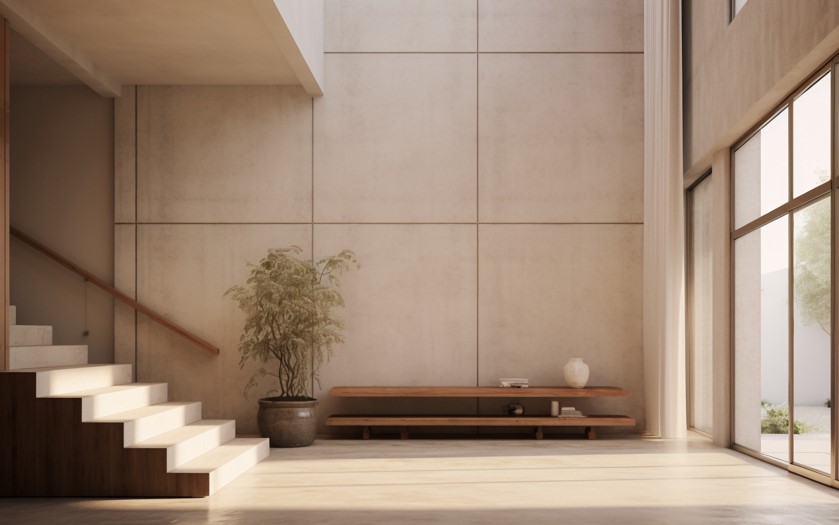
A smooth and warm surface lifts the feel of any space, and each small detail shapes a clear sense of structure. A travertine wall brings steady charm through soft layers and grounded tones that guide the eye with ease. This type of stone keeps a natural look that suits bright spaces as well as shaded corners, and it adds gentle depth without harsh lines or sharp contrasts.
Strong grains and warm shades support simple layouts and more detailed designs. Each surface links to the next with gentle flow, which helps the space feel balanced. This article explains why this stone stands out and how its strength, surface, and clear tone form a solid and pleasing choice for any wall.
Natural Beauty That Shapes Clear Structure
Warm shades flow across the stone in soft lines, and these lines create gentle movement across each surface. These patterns form a quiet rhythm that keeps the wall grounded without heavy contrast. This helps the design stay clean because each section joins the next with an easy flow.
Travertine forms through natural forces that shape its grains over long periods. These grains hold steady patterns that strengthen the whole layout. Below are simple points that outline how these patterns enhance structure.
- Travertine grains guide the eye with steady movement.
- Soft lines bring depth without distracting details.
- Natural tones keep the wall balanced and neat.
Clear tones strengthen the feel of the space because they help light move across the wall with a smooth flow. Strong lines stay visible without creating visual clutter. This balance works well in many settings.
Steady Strength for Daily Use
Design plans need solid materials that handle activity with ease. Travertine supports this need because its surface holds firm under regular contact and keeps its shape over long use. Each grain stays stable, and the warm tones remain clear with simple care.
This stone resists scratches and marks, and it keeps its warm shade even with steady cleaning. Below are simple points that show how this strength supports daily use.
- Strong density protects the wall during daily tasks.
- Stable grains help the stone keep a fresh look.
- Thick layers support a steady structure over time.
A surface that stays strong through steady use helps any room feel secure. Simple cleaning keeps the wall bright, and a steady texture ensures long life without stress. These qualities make the stone a dependable choice for many settings.
Versatile Fit With Many Design Styles
A wide range of styles work well with this stone because its natural patterns blend with simple, bold, bright, or dark layouts. Its steady tones support many colours, and they help create a soft shift from one feature to the next. This allows designers to build clear, calm, and unified spaces.
Travertine adapts to subtle or daring plans because its warm shades pair easily with wood, metal, clay, or plaster. Below are simple points that show why this fit works in many styles.
- Warm tones blend with bright or dark designs.
- Natural grains suit simple or detailed layouts.
- Soft texture links surfaces with smooth balance.
Strong visual flow helps the design feel grounded. Travertine builds that flow by creating a link between materials without breaking the harmony of the space. This keeps the whole design neat and complete.
Smooth Appeal of a Natural Stone Wall Finish
Texture shapes how a wall feels, and a natural stone wall finish brings added depth that enriches the surface. Soft grains cut flatness and create lively movement as light crosses the stone. This helps each area look fresh and welcoming, and it builds a smooth connection between surfaces.
A natural finish also adds depth without heavy contrast. Below are points that show how this finish improves the space.
- Texture adds a gentle dimension to plain surfaces.
- Light moves across the grain with smooth flow.
- Soft patterns create steady visual balance.
These traits blend well with many colours and shapes because the stone carries a warm and inviting presence. Its surface creates harmony while keeping a clean and simple look. This balance lifts the whole space.
Easy Integration With Other Materials
Stone pairs well with wood, metal, clay, plaster, and smooth cement. These materials work together because each one adds a different level of depth. Travertine supports this blend by offering warm tones that hold the whole design together. This connection helps each surface work with the next rather than standing apart.
Soft shades help the eye move naturally across the space. Clean textures give balance without overwhelming nearby elements. This makes material pairing simple and effective.
Subtle Depth Through a Natural Stone Wall Finish
A second use of natural stone wall finish brings more structure and depth across the space. Grain lines add visual interest without adding noise. This supports a clean and steady environment where features flow from one area to the next with ease. The finish stays true to its natural roots and keeps the wall grounded.
Light glides across the stone and forms gentle shadows that help the wall stand out with simple charm. These shadows add quiet depth and clear form.
Low Maintenance With Long-Term Value
People choose materials that stay stable with minimal care. Travertine supports this need because it holds a durable structure and resists wear. Simple cleaning keeps the stone fresh, and its grains remain clear from through daily use. These traits build long-term value and ease.
Strong texture enriches the wall without making upkeep hard. Warm tones remain bright through years of cleaning and light exposure.
Visual Strength From Travertine Wall
A third use of travertine wall highlights its strong visual weight. Texture guides movement across the surface and pulls the eye toward soft grain lines. These lines add depth that supports both open and compact spaces. The stone builds stability through natural patterns and clear structure.
Warm shades hold steady brightness and invite smooth visual flow from one area to the next. This makes the wall feel complete.
Tone With a Natural Stone Wall Finish
A third use of natural stone wall finish strengthens the unified look of the entire space. Bright light dances across the grain, and each layer shapes small shifts in tone. This creates a gentle link between all surfaces. The finish stays warm and grounded, and it keeps the whole wall clear, textured, and steady.
Soft changes in colour help the design feel alive without breaking its calm structure. This balance builds beauty through natural detail.
Quick Clarity
The short points below give a brief look at how this stone shapes strong, steady walls. This small table gives simple values for quick checks.
| Feature | Role in Wall Design |
| Texture depth | Builds movement and a clear visual form |
| Natural tones | Supports warm, unified style |
| Strong structure | Offers long-lasting reliability |
| Easy care | Keeps upkeep simple |
Conclusion
Travertine brings strong grain, warm shade, and natural charm that lifts any wall with quiet strength. The stone supports simple designs and layered plans, and it blends well with many materials that help shape unified spaces. Light moves across its grain with smooth flow and creates depth that feels natural. Its strength stays true through long use, and its warm tones enrich the whole space with clean and steady beauty.
FAQs
- Why does this stone work well for interior walls?
Its strong build and warm texture support long-term use and shape a clear and steady surface.
- How does the stone help create a unified design?
Its tones pair well with many materials, which keeps the whole space balanced and linked.
- Does the material need complex care?
Simple cleaning keeps the stone bright and clear, and its grains remain strong with little effort.
- Can this stone suit bright or shaded areas?
Yes, its warm tones adapt well to many light levels and give the wall a steady and rich look.