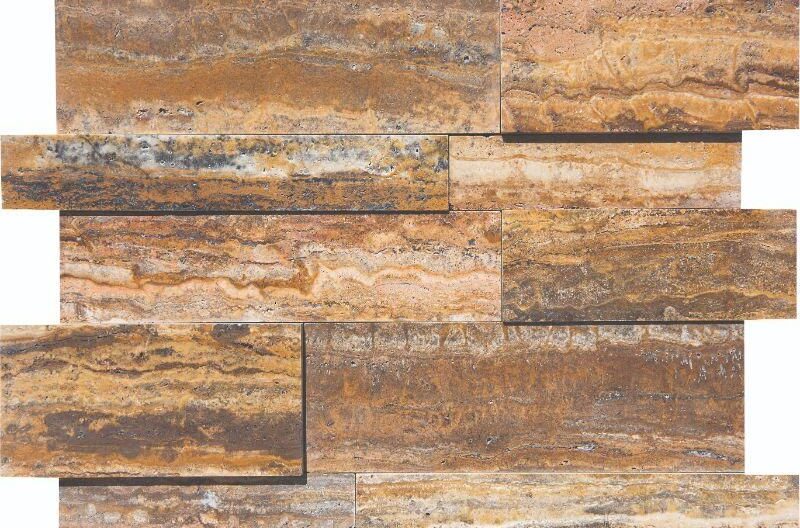
People use travertine wall panels to create artistic spaces that bring natural elements into their homes. The panels provide rooms and outdoor areas with textured surfaces and three-dimensional effects while avoiding any additional decorative components. The construction of walls with travertine stone creates an environment that enhances the appearance of contemporary architecture and historic structures. Architects and designers select travertine as their material choice because it demonstrates durability through its peaceful color palette, which remains stylish across all time periods. People select travertine as their architectural material because its soft colors maintain their appeal throughout history, while the stone remains highly durable.
The blog explains how travertine wall panels transform spaces through their wall design applications, improving daily life by providing both aesthetic value and practical durability.
Why Choose Travertine for Walls?
Travertine becomes special when you want a balance of natural feel and refined design. It shows subtle marks and veins that make every piece unique. With a smooth finish, the stone absorbs light and offers a quiet glow to walls. In galleries, restaurants, lounge areas, and homes, travertine adds a calm backdrop without loud patterns.
One clear strength lies in its texture. Travertine wall panels create a surface that feels alive under your gaze. The layered look hints at nature’s slow process over time. Most designers value that organic story. They know that no two slabs will look exactly the same. This uniqueness adds character. With each panel, the wall feels crafted, even without extra decoration.
Core Benefits of Travertine Wall Panels
-
Natural Texture and Warmth
Travertine shows fine pores and veins that create texture. This texture gives walls depth, unlike flat paint or synthetic materials. When light changes, the surface looks richer. Your wall becomes a living canvas that shifts with the sun or lamp light.
People often find these walls relaxing. Plain walls may appear static, but stone holds small shadows and highlights. That small contrast adds life.
-
Longevity and Strength
Unlike softer materials, travertine resists wear and tear. It stays solid for years. With regular care like dusting and gentle cleaning, the wall looks fresher longer. The stone resists chips and scratches more than many tiling options. Its strength brings calm confidence in busy areas, like corridors or public rooms.
-
Cool in Warm Places
Travertine stays cooler to the touch in sunny spots. This trait suits climates with bright days and high temperature swings. The surface holds calm, cool tones that balance the heat in rooms. Wood, glass, and stone can merge well when walls stay calm and cool.
How Travertine Enhances Interior Spaces
-
Living Areas That Feel Open
In living spaces, travertine wall panels invite calm and shape light. These panels do not crowd the room. Instead, they bring a quiet, open feel that draws the gaze across the wall.
A panelled focus wall can replace paint or print art. Instead of bold colour, the stone gives warmth and detail. The pattern feels organised yet natural. The walls feel less rigid than solid colour but more cohesive than wallpaper.
-
Bathrooms with Natural Spirit
Bathrooms gain a serene feel with stone. The calm surface adds spa-like peace. Travertine pairs well with simple fittings, wooden accessories, and soft lighting. You can guide the eye along a cool wall without loud distractions.
Choose honed or slightly textured panels to reduce slipping. This way, safety and style live side by side.
-
Kitchens That Look Alive
In kitchens, stone walls feel clean yet full of soul. The panels work well near dining areas, feature walls, or behind open shelves. Travertine’s easily visible pattern hides minor smudges and fingerprints. This quality keeps the kitchen looking fresh longer between cleans.
Stone Wall Cladding: A Mid-Point Style Boost
- Stone Wall Cladding offers a layered design without bulky structures. Cladding draws the eye, creates rhythm, and adds depth to any space. Travertine wall-based panels serve as a refined cladding choice. They offer a textured surface that feels firm yet calm. Cladding differs from full stone blocks. These panels weigh less on the wall. Installers can fix them in places where standard stone might feel too heavy. All the while, you still enjoy the rich surface that resembles cut stone, but with smarter form and fit.
Using stone wall cladding in hallways helps dull walls feel less flat. In lounge spaces, they bring subtle pattern change. In entrances, cladding makes a quiet but bold impression that feels natural rather than forced.
Fitting Travertine Wall Panels With Ease
-
Assess the Surface
Before you start, check the wall base. It should be flat and clean. Uneven surfaces make fitting hard. A simple skim coat or levelling layer brings the surface in line for panel glue or fixings.
-
Choose Panel Format
Panels come in various sizes and edge shapes. Pick panels that match the room’s scale. Large panels suit wide walls. Smaller pieces make sense in narrower areas. Consider grain lines and colour flow. Arrange panels in patterns that feel calm and balanced.
-
Fixing Options
Panels may be dry-set or bonded with special adhesives. In both cases, ensure strong contact. Wet areas require seals that prevent moisture from reaching the wall backing. Always follow the stone maker’s guidance for best results.
-
Sealing and Finishing
Once the panels are in place on the wall, apply a suitable seal. This finish guards against stains and makes dusting easy. Stone sealers are available in matte or gloss finishes. Choose one that matches the look you want. A matte finish keeps the natural feel. A light sheen adds mild warmth under gentle lighting.
Care and Maintenance of Travertine Walls
Travertine walls or stone wall cladding require gentle maintenance, not heavy work. With simple routines, they look fine for years.
-
Dust Often
Use a soft cloth to wipe walls once a week. This removes surface dust that dulls the stone’s glow.
-
Avoid Harsh Cleaners
Strong chemicals can harm the stone. Use a mild, neutral cleaner when needed. A gentle wipe keeps pores clear and colour bright.
-
Handle Spills Quickly
In areas near food or drink, blot spills fast. Travertine absorbs some liquids without sealing, so act quickly to keep the surface clear.
-
Re-Seal Yearly
Seal once a year or when your cleaner test shows water no longer beads. Good sealing protects the stone from stains and deep dirt.
Colour and Pattern Choices
Travertine wall panels come in soft earth tones that support a calm design. Common hues include pale cream, soft brown, and light amber. These colours pair well with wood, metal, and glass surfaces.
Patterns range from fine lines to bold veins. Choose veins that flow in a direction that suits the room’s shape. For tall walls, vertical veins lift the gaze upward. Horizontal lines make rooms feel wider. Think of how the pattern guides the eye.
Placement Tips for Best Impact
-
Feature Walls
A feature wall anchors a space. Point the stone where people see it first—near seating areas or entryways. The textured surface becomes a silent focal point.
-
Accent Corners
Corners often feel empty. A small panel placed at a corner catches light and adds interest. This idea works in offices and homes alike.
-
Behind Shelves or Displays
Stone walls behind shelving create depth. The texture enhances objects on display. The wall becomes part of the scene, not just background.
Common Missteps to Avoid
Even natural stone needs care in design.
- Skip uneven base walls — uneven walls make fitting poor and panels look wonky.
- Ignore sealing details — water and food marks build up over time. Seal well.
- Choose clashing colours — select tones that match your room palette.
- Overcrowd the space — stone works best with calm furniture and simple lines.
Conclusion
Travertine wall panels offer natural strength and calm beauty to any space. These panels deliver texture that feels alive. Their earthy tones and organic lines suit both modern and classic design. When fitted well, travertine creates walls that draw attention without overpowering a room.
With thoughtful care and simple cleaning, stone walls remain fresh for years. Whether used in living spaces, quiet lounges or feature walls, travertine brings peace and depth. Designed to balance style and solid build, this stone brings life into walls without loud patterns or hard shapes. Travertine stands as a design choice that blends nature and home with quiet, lasting grace.
Frequently Asked Questions
1. How long do travertine wall panels last?
Travertine panels last many years with proper care. Their durability exceeds many surface materials. Regular dusting and yearly seals keep the stone fresh.
2. Are travertine walls hard to clean?
No. Use a soft cloth and neutral cleaner. Avoid harsh chemicals. Quick attention to spills helps preserve the surface.
3. Can stone walls go in bathrooms?
Yes, stone suits humid areas if sealed well. Choose textured panels to reduce slipping and maintain a calm look.
4. Do panels need special support?
Good wall preparation matters. After levelling and levelling, the panels attach firmly. Light surface textures call for suitable fixings and a proper seal.